As an Amazon Associate, we earn from qualifying purchases. Some links may be affiliate links at no extra cost to you. Although our opinions are based on curated research, we haven't used these products. Articles generated with AI.

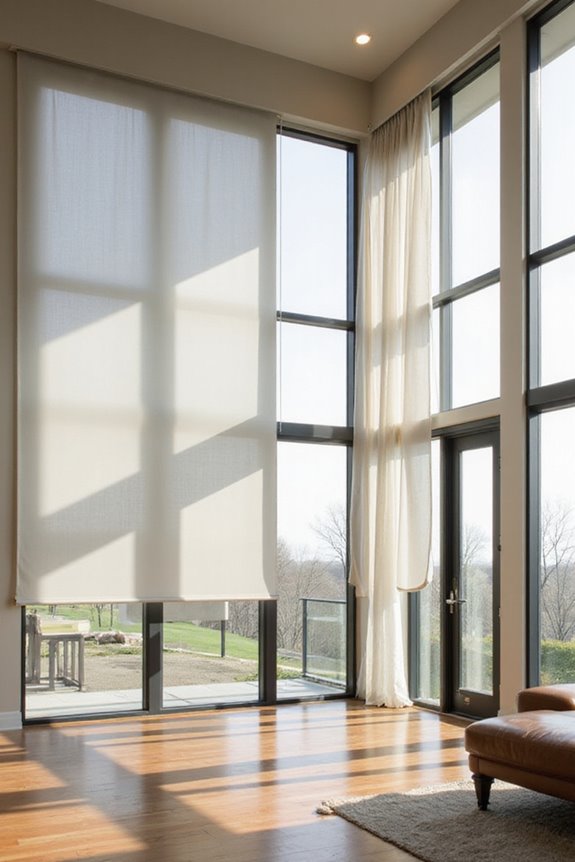
What Are Contract Grade Window Treatments?

Contract grade window treatments are specialized window coverings designed for commercial spaces. They’re built to withstand heavy use while providing effective light control, privacy, and insulation. Common types include solar shades, roller shades, and vertical blinds, all made from durable materials. These treatments also comply with safety regulations and can be integrated with automation systems. With various styles and colors available, we can enhance any environment. There’s much more to explore about their benefits and applications.
Key Takeaways
- Contract Grade Window Treatments are durable and designed for commercial spaces like hotels, offices, and hospitals.
- They provide effective light control, privacy, and insulation for busy environments.
- These treatments comply with safety standards, including fire resistance and child safety regulations.
- Common types include solar shades, roller shades, blinds, and window films tailored to specific needs.
- They enhance energy efficiency, potentially reducing operational costs by up to 25%.
Definition of Contract Grade Window Treatments
You may be interested
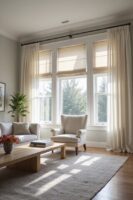
Contract grade window treatments are essential components for various commercial and institutional spaces. Designed specifically for environments like hotels, offices, and hospitals, these treatments endure heavy daily use while maintaining functionality. Their robust construction involves higher durability materials that resist tearing, fading, and moisture damage.
In application scenarios, they provide effective light control, privacy, and insulation, tailored to the demands of busy spaces. Current design trends emphasize energy efficiency and safety, ensuring compliance with strict regulations like fire codes. Additionally, many of these treatments offer energy efficiency benefits that help reduce operational costs for businesses.
Contract grade treatments often utilize advanced mechanisms that endure repetitive adjustments, keeping maintenance costs low. By prioritizing durability and practicality, these window treatments meet the unique challenges posed by commercial settings, enhancing both aesthetics and functionality.
Key Benefits of Contract Grade Window Treatments
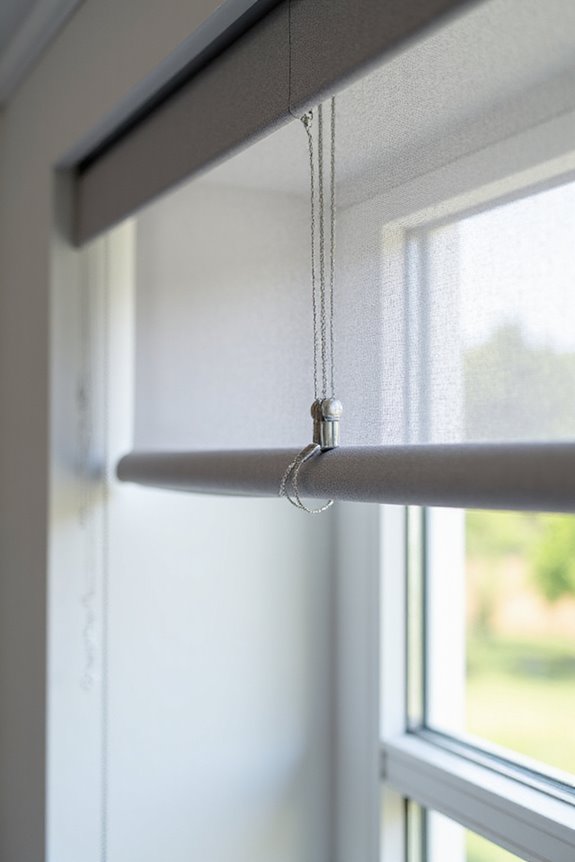
Businesses and organizations often look for solutions that are not only practical but also beneficial in multiple aspects. Contract grade window treatments provide significant energy savings by reducing heat loss and gain, leading to lower HVAC costs and reduced reliance on artificial heating or cooling. Additionally, these treatments offer exceptional design versatility. Available in a wide range of colors, textures, and styles, they align perfectly with a company’s branding. Customizable options allow us to control light levels, improving workplace productivity while enhancing the overall appearance of commercial spaces. Moreover, the durability and ease of maintenance guarantee long-term reliability, making contract grade window treatments a smart, cost-effective investment for any organization. Furthermore, these treatments can lower energy bills by up to 25% through thermal insulation, ensuring a more sustainable and eco-friendly environment.
Types of Contract Grade Window Treatments
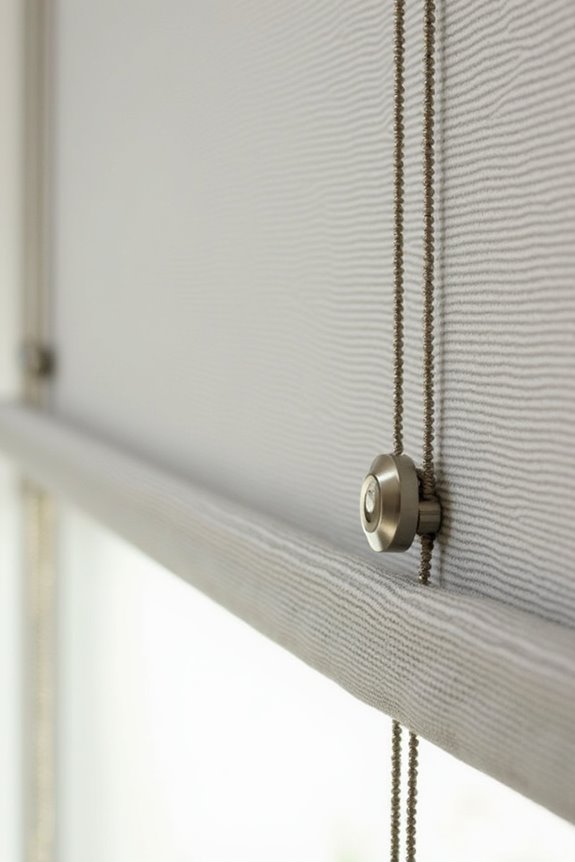
When it comes to outfitting commercial spaces with effective window treatments, understanding the available options is essential. Let’s explore some common types of contract grade window treatments that adhere to current design trends.
Solar Shades and Screens
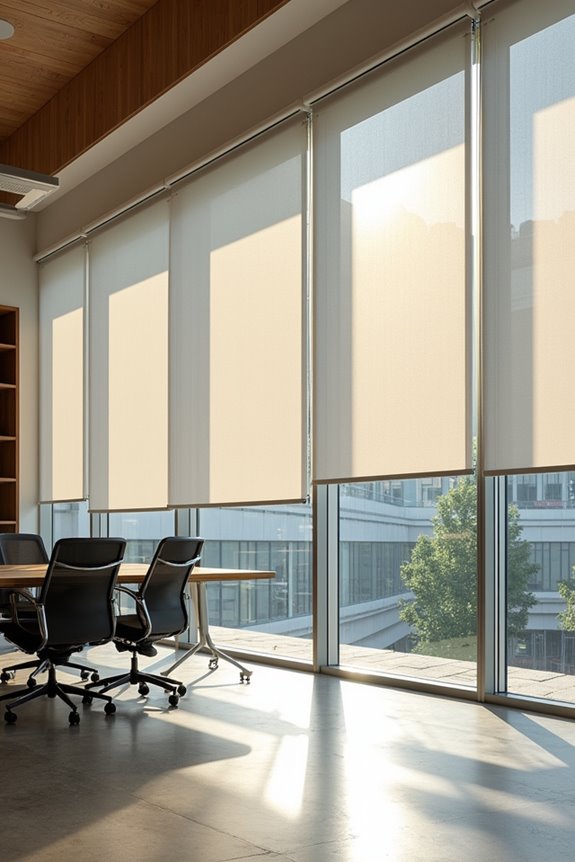
These options provide great glare control and energy savings. They’re often automated, making installation techniques easier.
Roller Shades
Widely used in hotels, they come in various opacities and colors, allowing for easy maintenance.
Horizontal Blinds
These are adjustable for light control and come in materials like aluminum and wood, suitable for many environments.
Vertical Blinds
Ideal for large windows, they offer flexible light control and are easy to clean.
Window Films
These enhance comfort while maintaining views and protection from UV rays. Additionally, incorporating thermal insulation features in window treatments can significantly improve energy efficiency in commercial spaces.
Recommended Products

HIGH-QUALITY STANDARD: 15feet long 10feet width Awning Backed with a 1 years warranty and certified CE, GS, and RoHS, this awning is built and tested to be simple to use and durable to last. Residential and commercial use. Most accurate fully extend product dimension: 14.6'x9.84'.

Solar Screens for Windows Exterior – Tired of the extra heat and glare coming through your window or patio enclosure in the afternoon? Phifer’s 90% solar window screens feature a unique woven screen mesh that reduces both heat and light, providing effective sun shade. Enjoy a cooler, more comfortable space without sacrificing natural light.
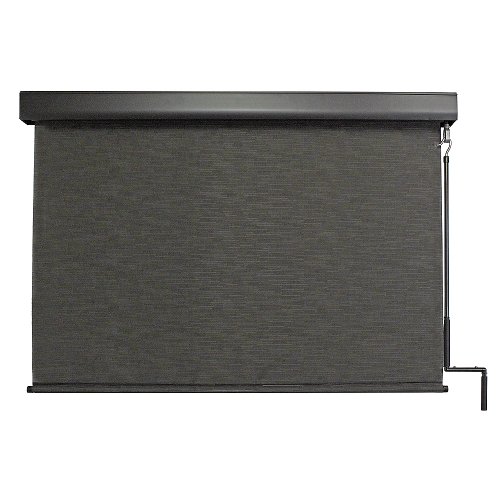
Enhance Outdoor Comfort By Reducing Heat, UV Exposure, and Blinding Glare with Style
Material Composition and Durability
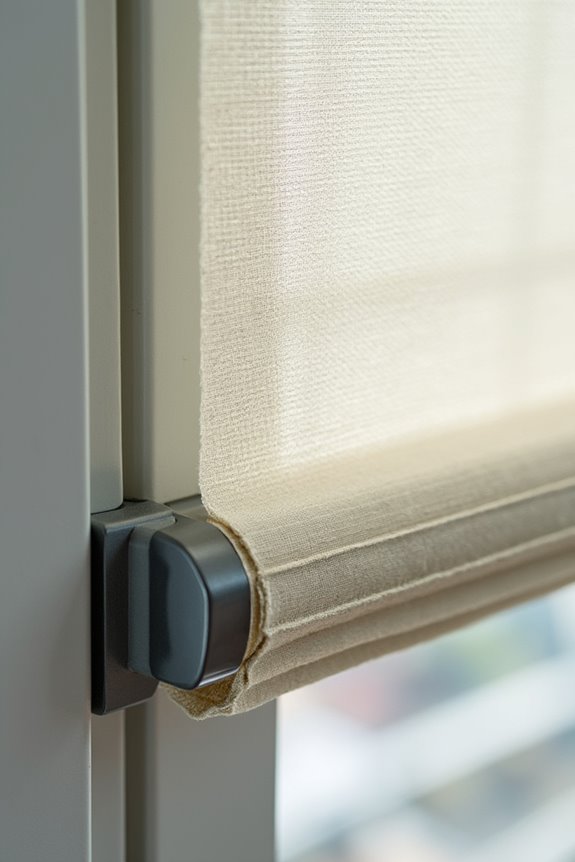
Understanding material composition is essential, especially since it directly impacts the durability and functionality of window treatments in commercial settings. The commonly used fabrics include vinyl-coated polyester, fiberglass, and specialized synthetic blends that enhance material durability.
For instance, typical commercial solar screen fabrics utilize composition ratios of 30-40% fiberglass and 50-60% vinyl, ensuring high tensile strength and resistance to wear. Additionally, many treatments feature fire-retardant materials and antimicrobial treatments, improving safety and indoor air quality. Moreover, reinforced yarns and optimized thickness enhance durability, making these products well-suited for high-traffic environments. Choosing the right materials with appropriate composition ratios helps in extending the lifespan of window treatments, ensuring they withstand frequent use, moisture, and varying climate conditions. Furthermore, selecting eco-friendly options contributes to a lower carbon footprint while maintaining the durability and functionality of the treatments.
Safety Standards and Compliance
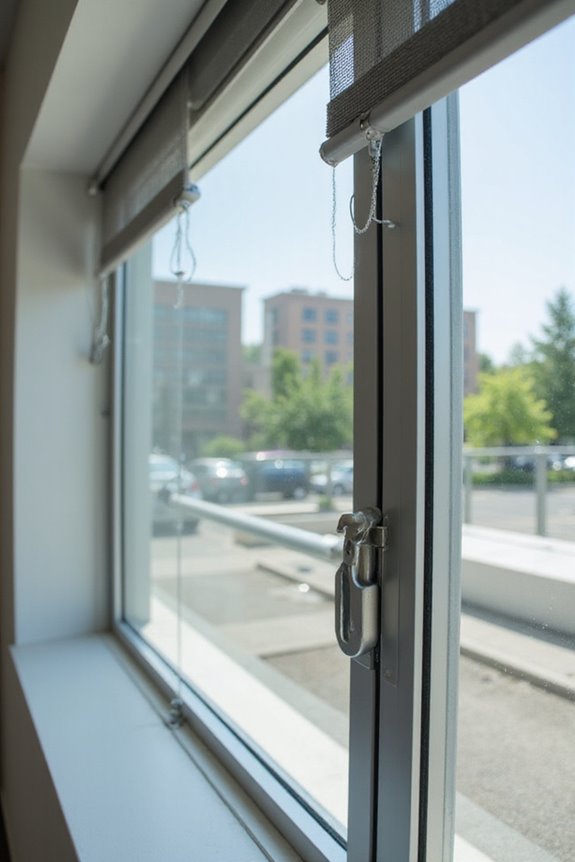
As we prioritize the safety of window treatments in commercial environments, it’s crucial to recognize recent updates in safety standards. The ANSI/WCMA A100.1-2022 introduced significant changes, particularly aimed at enhancing child safety.
- Free-hanging cords are now eliminated, with strict regulations on continuous loop cords and bead chains.
- Manufacturers must implement retractable cord systems and tension devices.
Compliance challenges arise for businesses, as all U.S. products must meet these standards by June 1, 2026. Non-compliance can lead to enforcement actions from the CPSC, placing businesses at risk of legal repercussions.
To promote safety, we recommend retrofitting existing products with compliant options, thereby minimizing hazards, especially in environments with children. Additionally, incorporating child-safe window treatments can further enhance the safety of your space while maintaining an appealing aesthetic.
Fire Retardant Properties
Fire retardant properties in window treatments are essential for enhancing safety in both commercial and residential spaces. These treatments are specifically developed to prevent ignition and slow down flame propagation, consequently improving fire safety.
To guarantee flame resistance, materials undergo rigorous testing, such as the NFPA 701 test. This assessment checks how quickly fabrics ignite and how long they burn. Many fire-retardant window treatments feature coatings that not only reduce flammability but also minimize toxic fumes during a fire. Additionally, incorporating energy-saving benefits into fire-retardant window treatments can further enhance safety and efficiency in homes and businesses.
On top of that, fire-retardant options include custom roller shades and vertical blinds, allowing for stylish designs without sacrificing safety. With a variety of choices available, we can enjoy a safer environment without compromising on aesthetics.
Performance Characteristics and Energy Efficiency
When we consider performance characteristics and energy efficiency in window treatments, it’s clear that choosing the right options can markedly impact both comfort and energy savings.
Thermal Barriers
Window treatments like cellular shades and plantation shutters provide effective thermal barriers. For instance, cellular shades have R-Values ranging from 2.0 to 5.0, enhancing energy conservation through better insulation.
Solar Heat Gain Reduction
High-quality solar shades reduce solar heat gain, preventing interior temperature rises, which lowers the need for air conditioning. Options made from recycled materials also support sustainability goals while contributing to energy efficiency.
Installation Requirements and Best Practices
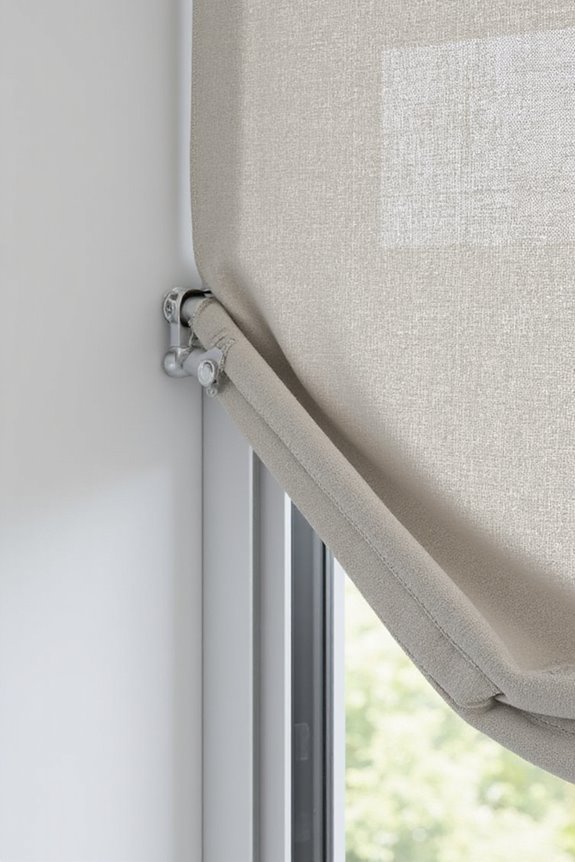
Next, we need to follow accurate installation techniques. This involves precise measurements and ensuring brackets are securely mounted, respecting manufacturer instructions. For motorized treatments, we should check electrical compatibility carefully.
Finally, it’s important to adhere to local building codes and regulations. This includes confirming that controls are at the correct height and that materials meet fire safety standards. By focusing on these best practices, we guarantee a successful installation of contract-grade window treatments.
Recommended Products
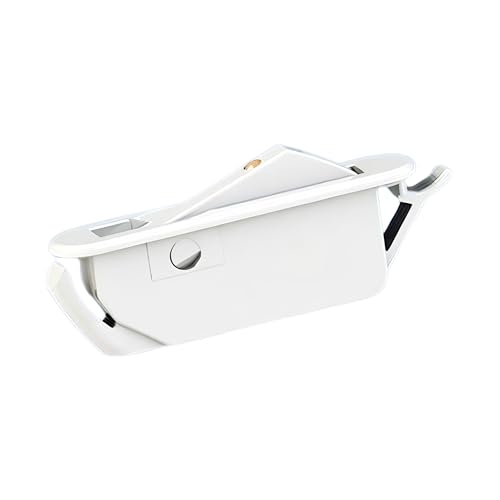
PLASTIC CONSTRUCTION: Built from plastic with a white finish, this single action window opening control device works as part of window hardware, casement hardware, or awning...
Maintenance and Cleaning Considerations
How can we effectively care for our contract-grade window treatments? Regular maintenance and cleaning are essential for their longevity and appearance.
Maintenance Tips
- Dust or vacuum treatments monthly to prevent dust buildup. Use a soft cloth or feather duster for light cleaning.
- For deeper cleaning, employ a vacuum with a soft brush attachment, especially on blinds and curtain folds.
Cleaning Techniques
- Blot spills immediately with a clean, dry cloth. For stains, use a diluted mild detergent and test any cleaning solution on a hidden area first.
- Delicate materials may require professional cleaning services.
Applications in Various Industries
Contract-grade window treatments find extensive applications in various industries, addressing specific needs ranging from privacy to energy efficiency.
Healthcare Innovations
In healthcare, these treatments enhance privacy and daylighting in exam and patient rooms. Fabrics meet strict health standards, including antimicrobial treatments that help guarantee infection control.
Hospitality Trends
In the hospitality sector, they improve guest experiences in hotels and restaurants through dual shades that provide privacy, light filtering, and blackout capabilities. Automated controls facilitate easy user operation, meeting both guest preferences and management efficiency.
Corporate Spaces
In corporate offices, these window treatments reduce glare on screens, enhancing productivity and comfort, while solar screens contribute to sustainability efforts.
Aesthetic Customization Options
Aesthetic customization options in window treatments play an essential role in enhancing the overall look and feel of commercial spaces. By considering aesthetic trends and color psychology, we can create environments that reflect branding and design choices.
Fabric and Material Variety:
We have access to a wide range of premium fabrics, from woven woods to blackout materials, ensuring both durability and style.
Design Elements and Styles:
Choices like roller shades or drapery can be tailored to formal or informal settings, aligning with overall aesthetics.
Color and Pattern Customization:
An extensive color palette enables us to select hues that enhance the space. Patterns—from solids to complex weaves—allow for nuanced visual appeal.
With these options, we can achieve a cohesive, professional look that stands out.
Recommended Products

𝗖𝗢𝗟𝗢𝗥 & 𝗦𝗜𝗭𝗘: Luxury Series Features a White Frame, Fabric Color: Cerulean, Size: 10' Wide x 8' Projection Full Extension. Advaning Awnings are 100% Fully Pre-Assembled and Ready for Installation.

𝗖𝗢𝗟𝗢𝗥 & 𝗦𝗜𝗭𝗘: Luxury Series Features a White Frame, Fabric Color: Ocean Blue with Sand Beige Stripes, Size: 12' Wide x 10' Projection Full Extension. Advaning Awnings are 100% Fully Pre-Assembled and Ready for Installation.
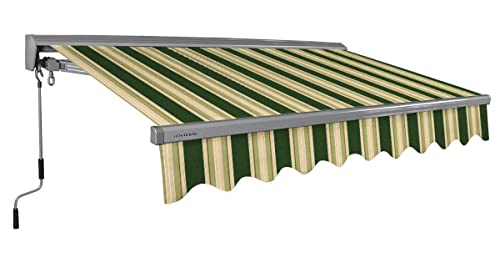
𝗖𝗢𝗟𝗢𝗥 & 𝗦𝗜𝗭𝗘: Classic Series Features a Gray Frame, Fabric Color: Forest Green with Beige Stripes, Size: 13' Wide x 10' Projection Full Extension. Advaning Awnings are 100% Fully Pre-Assembled and Ready for Installation.
Integration With Building Automation Systems
Integrating window treatments with building automation systems (BAS) is a significant advancement in modern design. BAS integration enables motorized window treatments, like automated shades, to react dynamically to environmental conditions. For instance, they can adjust to sunlight levels, reducing glare and enhancing energy efficiency.
Key Benefits of BAS Integration:
- Enhanced Comfort: Shades adjust automatically, improving occupant comfort based on privacy and lighting needs.
- Energy Efficiency: Automation reduces cooling loads and energy costs by controlling solar heat gain.
- Flexible Control: Users can manage shades through mobile apps, voice assistants, or wall switches.
Recommended Products

【Extremely Personalized Light-Blocking Solution - Motorized Dual Shades】 Motorized dual shades allow you to choose 2 fabrics for a personalized light-blocking plan. The blackout fabric can block 100% of the light, protecting your privacy, while the light filtering fabric offers soft sunlight, boosts air circulation, and avoids stuffiness. Motorized dual shades can keep the outdoor view clear in the day and provide a fully light-blocked private space at night.

【Material】Light Filtering polyester fabric soften the light. Motorized shades can keep energy, reduce noise and protect from UV rays. Cordless design provides a child/pet-saving environment. Suitable for living room, bedroom, kids' room, home office, media room, office, etc. Indoor use only.

【MATERIAL】:1. Fabric-wrapped aluminum alloy valance and bottom rail, High-end、Beautiful and elegant, the entire roller blinds looks very beautiful. 2.Front Material:Polyester,Light filtering roller shades.Back Material:Polyester,Full blackout Thick Waterproof and oilproof Fabric , suitable for multiple applications like bedrooms, offices and toilets.
Environmental Safety Certifications
Environmental safety certifications play an essential role in ensuring that window treatments contribute to a healthier indoor environment. These certifications guarantee that products meet strict indoor air quality and chemical emission standards, supporting important sustainability practices. For instance, Greenguard certification confirms low Volatile Organic Compound (VOC) emissions, prioritizing health in sensitive areas like schools and hospitals.
Additionally, certifications often align with guidelines from organizations like LEED, promoting eco-friendly materials and contributing to overall building sustainability. They assess raw material sourcing, manufacturing, and the environmental impact of final products. By selecting certified window treatments, we not only enhance indoor air quality but also support compliance with building codes and regulations, paving the way for safer, healthier spaces.
Acoustic Performance and Noise Reduction
Improving indoor sound quality is just as important as maintaining air quality. Contract grade window treatments markedly enhance acoustic insulation and soundproofing effectiveness. When these treatments are applied over double-pane windows, they can reduce noise by 10-12 dBA, giving over 50% noise reduction. For single-pane windows, the noise reduction can reach nearly 19 dBA, equating to over 70% reduction.
The materials used in these treatments, such as low openness fabrics, play an essential role in blocking sound waves effectively. Proprietary curtain linings can block 15-20 dB of noise, making spaces quieter and more comfortable. With a thoughtful selection of window treatments, we can achieve better sound management in our environments.
Cost Considerations and Return on Investment
When evaluating the cost of contract grade window treatments, we’re looking at a wide price range that varies based on several factors. Prices can range from $30 to $3,000 per window, driven by type, material, and customization levels.
Cost Implications
Basic blinds might start at $30, while custom drapes could reach $3,000. Installation adds $50 to $100 per window, influencing total project costs.
Investment Returns
High-quality treatments can reduce heating and cooling costs, leading to energy savings. Some options qualify for tax credits up to $1,200. Custom treatments, while initially pricier, enhance property value and durability, proving worthwhile investments in the long run. Each choice impacts both the upfront cost and the potential returns we can expect.
Recommended Products

This listing is for 1 panel . If you need a pair of curtains , you have to buy 2 of them

PINCH PLEATED DESIGN: Curtains top features 1.5 times length fabric design for an elegant pleated effect. Perfectly presenting a sense of stereoscopic and layering. Whether in living room, bedroom, dining room or sliding door etc, it fit perfectly into a variety of room decor style

【Custom Size】Tailor every detail to your space. Choose your exact size, add decorative trim, or select memory shape. Create the perfect window treatment for your living room, bedroom, or dining area.
Frequently Asked Questions
How Do Contract Grade Window Treatments Compare to Residential Options?
Contract grade window treatments outshine residential options in durability factors and design flexibility. They’re built to withstand heavy use, offering greater resilience and customization possibilities, perfect for commercial spaces while meeting stringent safety and performance standards.
Are Contract Grade Treatments Suitable for Outdoor Use?
Absolutely, contract grade treatments offer impressive outdoor durability and weather resistance. However, they’re best suited for semi-outdoor areas. So, let’s guarantee we choose the right options for our specific environmental conditions!
Can These Treatments Be Retrofitted Into Existing Spaces?
Yes, we can retrofit these treatments into existing spaces, although installation challenges may arise. It’s essential to guarantee compatibility and select appropriate retrofit options to achieve a seamless integration into your current environment.
What Are the Typical Lead Times for Delivery and Installation?
Like a well-tuned clock, our lead time variations for delivery range from 2 to 8 weeks, while the installation timeline typically spans 1 to 3 days. Planning ahead guarantees a smoother, timely project completion.
Are There Warranty Options for Contract Grade Window Treatments?
Yes, we can explore warranty coverage for contract grade window treatments. Installation guarantees often vary, offering protection against defects while ensuring we’re satisfied with our purchase. Each warranty has specific terms worth reviewing!