As an Amazon Associate, we earn from qualifying purchases. Some links may be affiliate links at no extra cost to you. Although our opinions are based on curated research, we haven't used these products. Articles generated with AI.

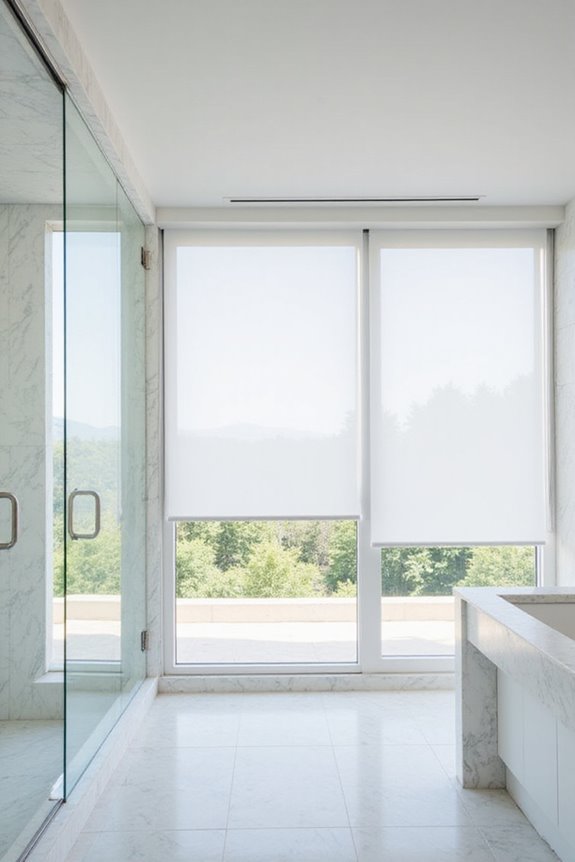
How To Choose Window Treatments For Humid Rooms?

When choosing window treatments for humid rooms, we should prioritize moisture-resistant materials such as vinyl, PVC, or aluminum. These materials resist warping, cracking, and mold growth. For fabrics, consider synthetic options like polyester or special moisture-resistant blends. It’s important to install treatments that promote airflow and use corrosion-resistant hardware. Regular maintenance, including cleaning and prompt drying, is essential to prevent mold. By focusing on these factors, we can select effective treatments for high-humidity areas and explore specific options for different spaces.
Key Takeaways
- Opt for moisture-resistant materials like vinyl, PVC, or aluminum to prevent warping and mold growth in humid areas.
- Choose synthetic fabric treatments, such as polyester, that resist moisture better than natural fibers like cotton.
- Install window treatments away from direct water sources to minimize exposure to steam and moisture.
- Use corrosion-resistant hardware and consider motorized options to enhance durability and ease of use in humid environments.
- Regularly inspect and clean treatments, ensuring prompt attention to any signs of mold or moisture buildup.
Understanding Humidity and Its Effects on Window Treatments

You may be interested
When we think about humidity, it’s important to recognize how it impacts our home environment and the materials we use, particularly window treatments. Humidity measurement shows that high levels are common in areas like bathrooms and kitchens. This excess moisture can lead to condensation on cooler surfaces, creating an environment where mold thrives.
For window treatments, wood and fabric are particularly vulnerable. Wood can absorb moisture, causing damage like warping and cracking. Meanwhile, fabrics may develop mold or odors. To counteract these effects, we can consider treatments with a vapor barrier, which helps resist moisture intrusion. By understanding humidity’s impact, we can select appropriate window treatments for humid conditions. Additionally, choosing insulated curtains can enhance energy efficiency and reduce the likelihood of mold growth by maintaining a stable indoor climate.
Moisture-Resistant Materials for Window Treatments

Selecting the right materials for window treatments in humid areas is essential for ensuring longevity and maintaining a fresh look. We often consider vinyl options and aluminum choices, which offer excellent resistance to moisture.
Vinyl Options:
- Vinyl and PVC are synthetic plastics designed for durability in humid environments.
- These materials don’t warp, crack, or peel under humidity, making them easy to maintain and clean.
Aluminum Choices:
- Aluminum treatments are rust-resistant and lightweight, perfect for steamy areas.
- They maintain their function and appearance over time, making them ideal for kitchens and bathrooms.
Incorporating these moisture-resistant materials can greatly enhance the durability and aesthetic of our window treatments in humid spaces. Additionally, using energy-efficient window treatments can further improve insulation and lower energy costs, contributing to a more sustainable home environment.
Recommended Products

Features flip-back sunroof panel with diamond-point fabric.
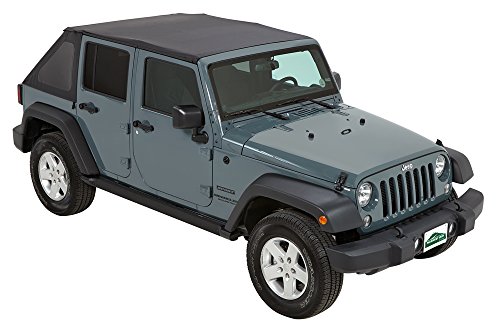
Features flip-back sunroof panel with all top fabric made with 23 ounce diamond-point fabric.

HEAVY-DUTY TRANSPARENT MATERIAL- Made from thick, see-through vinyl, this clear plastic tarp provides dependable coverage while maintaining full visibility. Ideal for situations where light transmission is needed without sacrificing protection.
Fabric Considerations in Humid Environments

Choosing the right fabric for window treatments in humid environments is essential for maintaining both appearance and durability.
When considering fabric breathability, synthetic fibers like polyester and olefin outperform natural fibers. They resist moisture absorption, mildew, and warping, making them ideal choices for high humidity. Cotton may absorb moisture, leading to mold, while blends of cotton with synthetics offer better breathability without compromising moisture resistance.
Microfiber is another great option; its tightly woven structure keeps moisture at bay while remaining soft. Fabrics designed for humid spaces, like Sunbrella, enhance durability and mold resistance. Additionally, selecting no-drill options for window treatments can further simplify installation in these environments without damaging walls.
Recommended Products

【Galvanized Steel Double Roof】: Sun room Made of galvanized steel, and can effectively prevent falling objects from high altitude. In addition, the double-deck design provides better insulation and ventilation to protect your time outdoors.

Instant Setup, No Assembly Required: Simply unfold the side‑opening structure and pull out the included 7.5 ft telescoping ladder – the tent pops open automatically thanks to powerful Stabilus gas struts. Enjoy a spacious shelter in seconds, with zero poles or complex assembly

Experience the next level of sound control with our advanced formula, completely re-engineered for superior durability, tear resistance, and a professional finish. The Stronger, Smarter Sound Barrier.
Functional Priorities for Window Treatments

In humid environments, it’s essential that we prioritize functional qualities when selecting window treatments. To guarantee durability, we should opt for materials like faux wood, aluminum, or PVC, which resist moisture and prevent mold growth.
Light Control and Privacy
We must consider treatments that allow us to manage light and privacy effectively. Adjustable blinds or plantation shutters can provide the right balance, letting in natural light without sacrificing our privacy.
Airflow Optimization
Promoting airflow is also fundamental. Options like adjustable slats in blinds can enhance ventilation, reducing condensation buildup. Additionally, treatments that avoid heavy fabrics help maintain airflow, reducing humidity and prolonging their lifespan. Furthermore, selecting energy-efficient designs can contribute to better temperature regulation in humid rooms.
Recommended Products

[Sleek Floating Design] – The KunMai 59" Floating Bathroom Vanity offers a modern wall-mounted design, saving floor space and creating a clean, minimalist aesthetic in your bathroom

Multi-purpose: Horizontal blinds for windows are very suitable to create a warm and comfortable space,open and chic,and block the sun with a complete style.It is very suitable for home,bedroom,living room,bathroom,kitchen,doors,windows and office etc

Durability Like No Other: Our faux wood blinds are not only aesthetically pleasing but also durable, ensuring they last for years, even in high humidity areas.
Installation Tips for Humid Areas
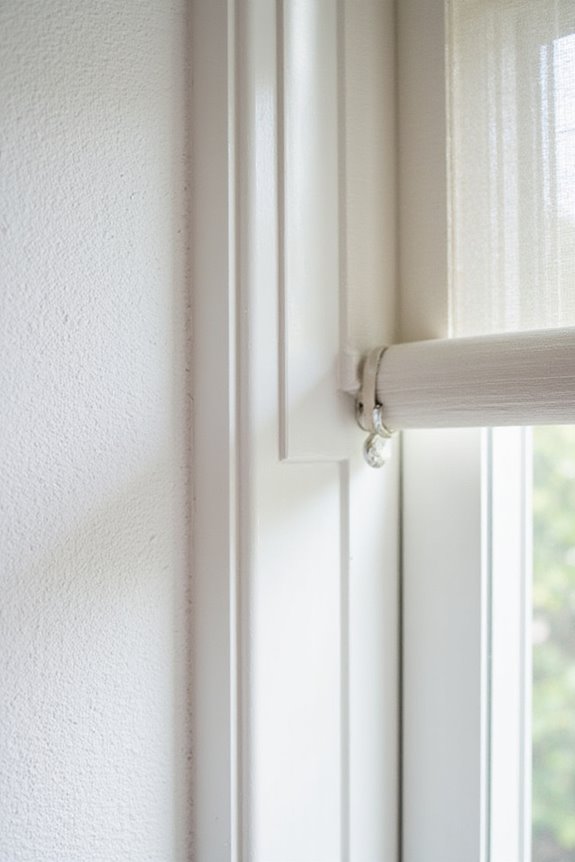
When it comes to installing window treatments in humid areas, we need to take into account several important factors to guarantee longevity and functionality.
First, let’s select moisture-resistant materials like faux wood or vinyl. These options prevent warping and mold growth. Our installation guidelines suggest positioning treatments away from direct water sources. This minimizes moisture exposure and guarantees proper sealing around windows.
Next, we should choose corrosion-resistant hardware to prevent rust. Installing treatments that allow airflow is essential, as it helps evaporate moisture. Additionally, we might consider motorized window treatments, which often come with sealed casings, offering us ease and humidity protection. By following these steps, we enhance the performance and durability of our window treatments in humid environments. Furthermore, selecting high-quality window films can provide additional UV protection while maintaining privacy in such conditions.
Recommended Products
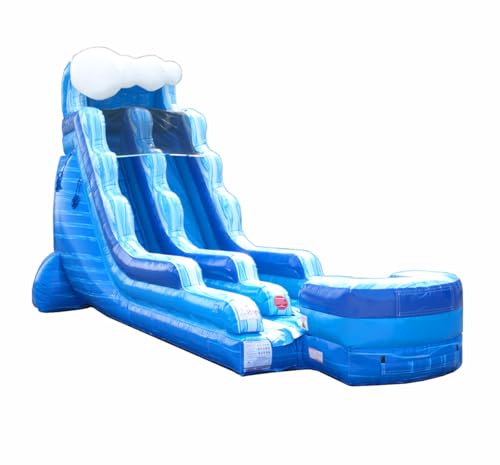
EXCEPTIONAL DURABILITY: Our home and commercial water slide is made using heavy-duty puncture and flame-resistant, 15-ounce commercial grade PVC Vinyl with additional vinyl sewn into the highest stress areas. It has double to quadruple stitching throughout for strength and durability. Our Gator Mouth System featured at 90-degree stress points expands and contracts to alleviate pressure on the vinyl and limit repair needs.
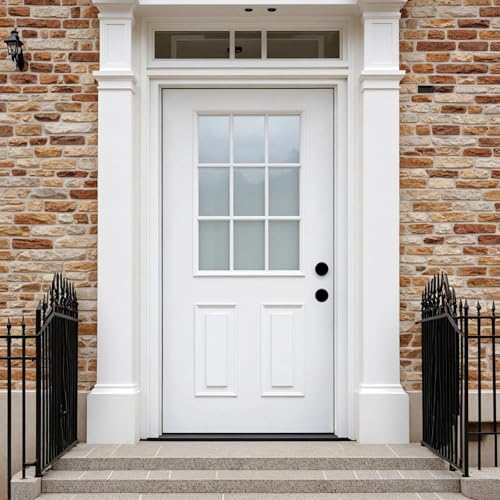
Premium Fiberglass Construction:This 36" x 80" front door features a durable fiberglass slab with a through-color technology, ensuring the white finish and wood-grain texture won’t fade, peel, or crack. Ideal for house exterior use, it’s dent-resistant, weatherproof, and backed by a vinyl frame for long-term performance—perfect for high-traffic entry doors.

Tough PVC based workstation mat
Maintenance Practices to Prevent Mold and Mildew
To maintain the beauty and functionality of our window treatments in humid areas, we need to adopt specific cleaning and care practices. Implementing effective cleaning schedules is key to mildew prevention.
- Regular Cleaning: We should regularly wipe our treatments with a dry cloth to eliminate dust and moisture. For deep cleaning, using a mild soap solution on moisture-resistant materials helps inhibit mold growth.
- Immediate Drying: It’s important to dry any wet surfaces after exposure to steam or water promptly.
- Material Selection: Opting for faux wood or vinyl shades can better resist mold than natural wood or heavy fabrics. Additionally, choosing eco-friendly materials can enhance durability and reduce the risk of mold growth.
- Periodic Inspection: Regularly inspect for signs of mold, such as discoloration or odor, and clean fabrics frequently to maintain a healthy environment.
Balancing Style and Functionality
Balancing style and functionality in window treatments for humid rooms is essential, especially since we want our spaces to look good while also serving their purpose effectively. To achieve this, we should consider moisture-resistant materials that combine aesthetic appeal with durability.
- Faux wood and composite shutters provide classic charm without susceptibility to humidity.
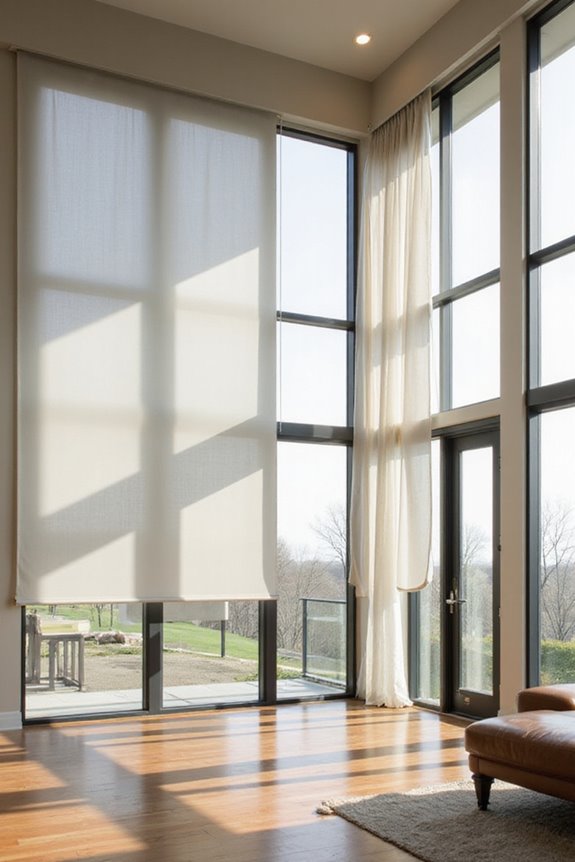
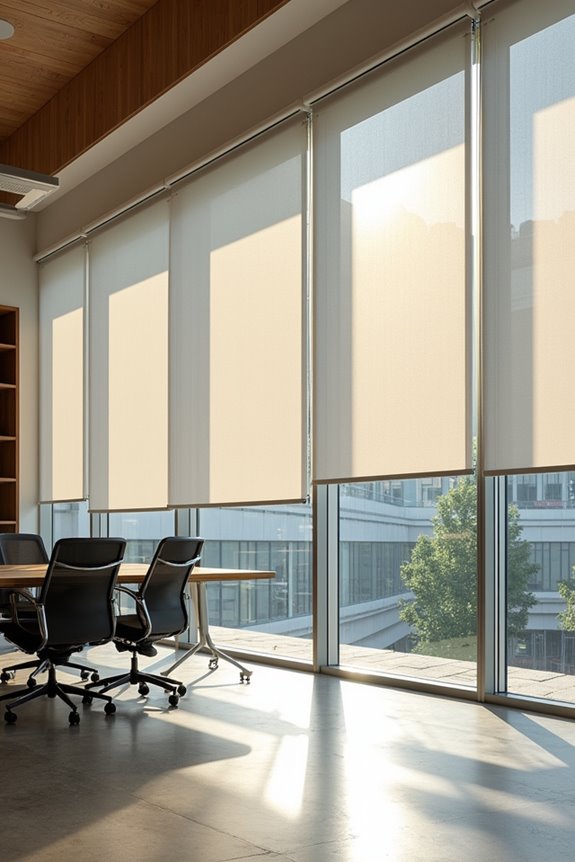
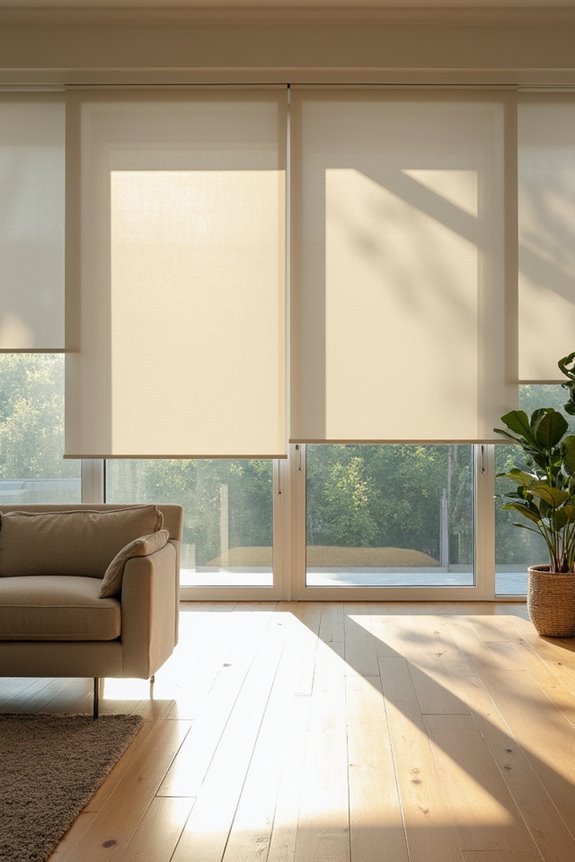
- Solar shades offer a modern look while controlling glare and allowing natural light in.
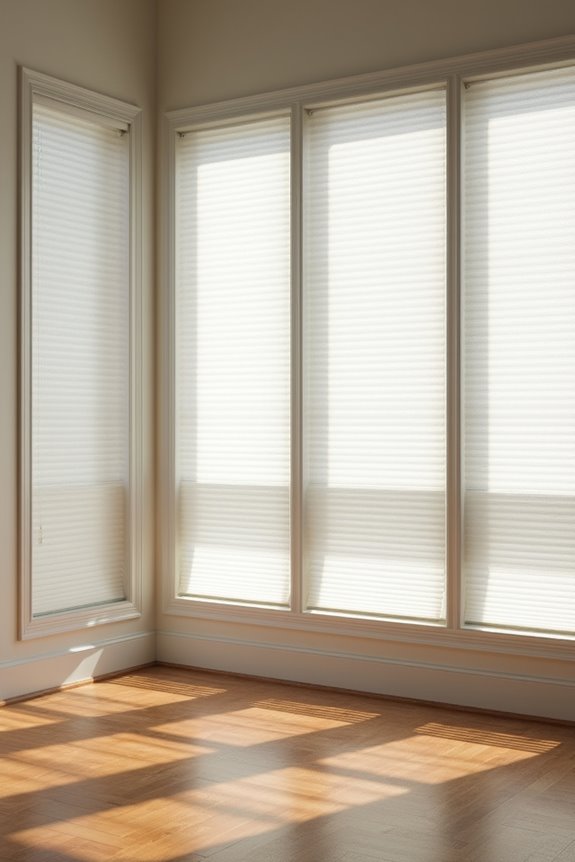
- Cellular shades add texture, insulation, and moisture defense.
- For sleek designs, vinyl and aluminum blinds keep our spaces looking neat and contemporary.
Specialized Window Treatment Options
Specialized window treatment options can considerably enhance the functionality and appearance of humid spaces. For instance, if we’re looking for moisture-resistant solutions, we might consider specialty blinds made from materials like vinyl or aluminum. These materials withstand the steam from bathrooms or the moisture from kitchens without warping. Alternatively, versatile shades like faux wood or composite materials offer both style and durability. They resist moisture while complementing our home’s aesthetic. Also, innovative treatments like nanotechnology-enhanced fabrics or smart window options are becoming popular. These advancements help us fight humidity and maintain cleanliness effortlessly. By choosing the right specialized options, we can protect our windows and create a stylish, functional environment in our humid spaces.
Recommended Products

VinGrate - premium shower drainage matting by VINTEK.

KEEP FLOORS DRY AND PREVENTS ACCIDENTS : PREVENT hazardous slip and fall accidents with Omnipack’s Umbrella Wrapper in your business area. Customers can hold their umbrellas while maintaining floor areas dry and clean without any dripping water of umbrella. REDUCE additional labor cost of wiping down the floors by offering solution for business owners to prevent wet floors on rainy or snowy days. SAVE maintenance costs by prevent your merchandises and facilities from water damage

Stain resistant olefin carpet entrance mat
Choosing the Right Treatments for Different Humid Spaces
When selecting window treatments for different humid spaces, it’s essential to take into account the unique conditions and requirements of each area.
Bathrooms: We should choose bathroom blinds that resist steam and moisture, like faux wood or PVC options, to prevent warping and mold growth.
Kitchens: Kitchen shades should be waterproof or water-resistant, with vinyl or aluminum being great choices that handle occasional splashes well.
Laundry Rooms: In these rooms, we want materials that don’t absorb moisture, making aluminum or composite treatments ideal.
Basements: Here, we need durable options that withstand consistent dampness, like synthetic treatments that won’t degrade.
Frequently Asked Questions
Can I Use Standard Wooden Blinds in Humid Areas?
We can’t recommend standard wooden blinds for humid areas. Moisture-resistant materials, like faux wood or vinyl, are better alternatives that withstand humidity, maintaining appearance and functionality in those challenging environments without warping or degrading.
How Often Should I Clean Window Treatments in Humid Environments?
We should clean our window treatments weekly to maintain freshness, and during humid seasons, increasing that frequency is smart. Let’s follow these maintenance tips to prevent mold and guarantee a clean, welcoming environment.
Are There Eco-Friendly Options for Humid Room Window Treatments?
Absolutely, there’re eco-friendly options for humid rooms! We can choose sustainable materials like bamboo or moisture-resistant fabrics such as faux wood and recycled textiles, ensuring our windows look great while remaining environmentally conscious and durable.
Can I Install Window Treatments Myself in Humid Areas?
We’ve all wrestled with installing tricky shelf brackets—just like with window treatments in humid areas. DIY installation is doable, but we must remember: addressing humidity effects carefully guarantees long-lasting functionality and beauty in our spaces.
What Are the Best Colors for Window Treatments in Humid Rooms?
For window treatments in humid rooms, we should choose light colors that reflect sunlight, creating an airy feel. Light effects and color psychology suggest softer tones evoke calmness, countering humidity’s impact beautifully.