As an Amazon Associate, we earn from qualifying purchases. Some links may be affiliate links at no extra cost to you. Although our opinions are based on curated research, we haven't used these products. Articles generated with AI.

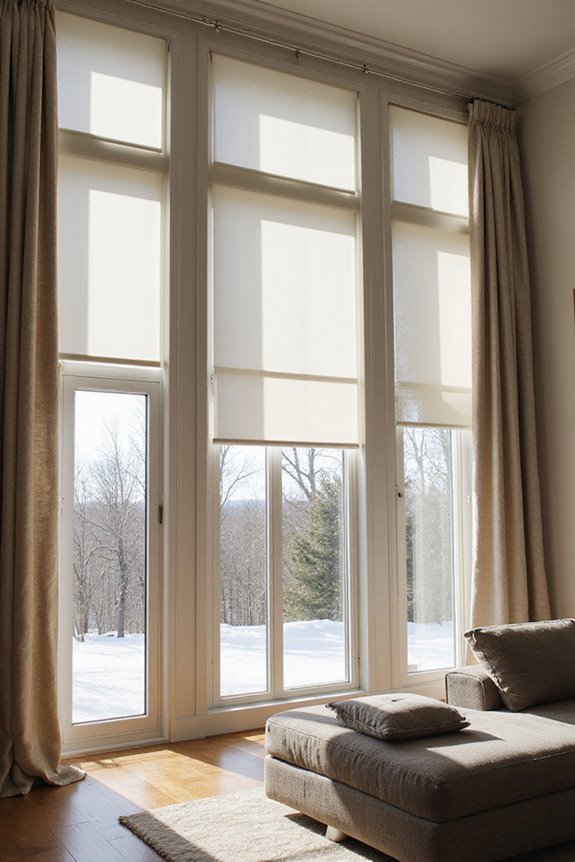
How Do Window Treatments Block Cold Air?

Window treatments block cold air by creating insulating barriers that help minimize heat loss through windows. They trap air and prevent drafts, enhancing indoor comfort. For example, cellular shades and thermal curtains use materials designed for insulation, effectively maintaining warmer temperatures. Additionally, weatherproofing techniques, like weatherstripping and caulking, improve the overall seal around windows. By combining these strategies, we can markedly reduce cold air infiltration and improve energy efficiency. There’s more to explore on this topic.
Key Takeaways
- Insulating window treatments, like cellular shades, trap air, creating a barrier that blocks cold drafts effectively.
- Thermal curtains use insulating linings to hinder cold air infiltration while adding style to windows.
- Composite shutters act as a solid barrier that minimizes the entry of cold air.
- Window insulating films effectively create an air barrier against drafts without obstructing natural light.
- Combining insulated treatments with weatherproofing techniques ensures comprehensive protection against cold air leaks around windows.
Understanding Heat Loss Through Windows

You may be interested


When we consider home energy efficiency, it’s essential to understand how much heat escapes through our windows. Windows can account for 25-30% of energy use for heating and cooling, making them significant thermal weak points.
Here are key points to note about heat loss:
- Single-glazed windows: Allow more heat to escape compared to double or triple-glazed options.
- Air leakage: Caused by cracks and gaps in window frames increases heat loss through convection.
- Conduction and radiation: Heat can also transfer directly through glass, especially if the windows are older or poorly sealed. Additionally, using weather sealing tape can effectively block drafts and enhance energy efficiency throughout the year.
The Role of Insulating Window Treatments

While we often focus on the type of windows we install, the importance of insulating window treatments is equally crucial in maintaining energy efficiency in our homes. These treatments, such as cellular shades and composite shutters, utilize insulating materials that trap air and create barriers against cold drafts. By adding an R-value, they reduce heat loss effectively.
Additionally, insulating treatments prevent convection and minimize thermal radiation. For instance, honeycomb shades might achieve R-values of 4.5 or higher, greatly enhancing insulation. Properly designed options help control moisture as well, reducing condensation around windows. Overall, selecting the right insulating window treatments not only maintains comfort but also lowers energy bills, demonstrating a smart investment for our homes. Furthermore, curtains like the Dusty Blue Bailey Pinch Pleated Curtains offer built-in liners that enhance thermal insulation while providing an elegant touch to your decor.
Recommended Products

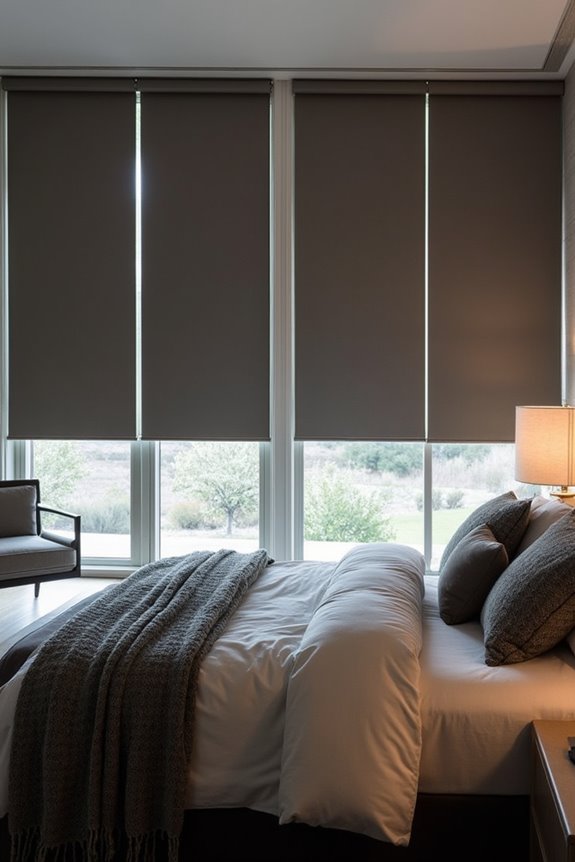
【Cordless Design】Our cordless cellular shades creates a safer environment for children and pets. The push-pull system allows you to stop the shades at any height by pulling the bottom rail down or lifting it up, no need to cut length to fit. The blackout shades great for bedroom, living room, bathroom, kitchen, French door and office etc.

Elevate your living space with our premium Honeycomb Blinds, designed to combine functionality and elegance. Engineered to reduce noise while effectively insulating your indoor environment, these light-filtering blinds provide both privacy and a gentle glow, allowing you to enjoy the beauty of natural light without compromising your comfort.

Top down bottom up cellular shades with various lifting and lowering operations to meet the demand for light control
Types of Effective Window Treatments

Selecting the right window treatments can greatly enhance our home’s energy efficiency, particularly during colder months. Here are some effective choices:
- Cellular (Honeycomb) Shades: With their unique structure, they trap air, decreasing heat transfer by up to 22% in winter.
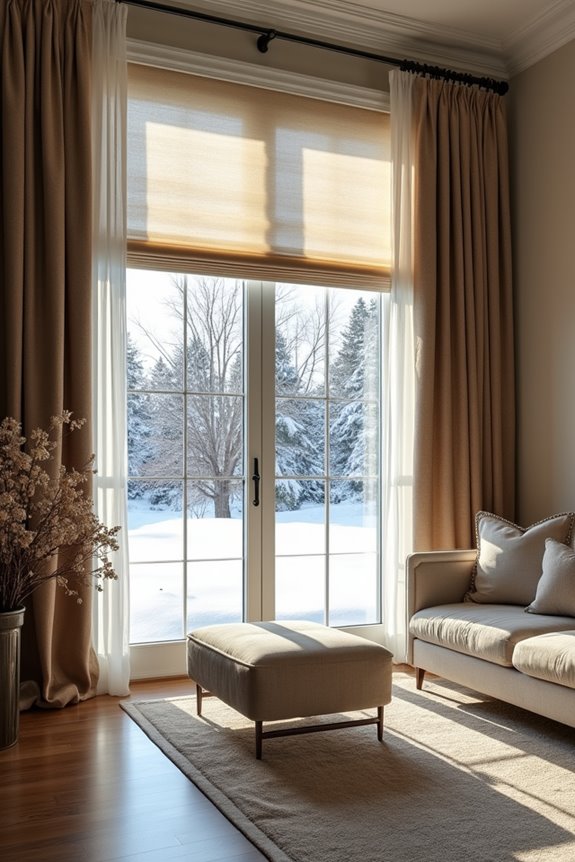
- Thermal Curtains or Drapery: Designed with insulating linings, they block drafts while adding style.
- Window Shutters: Solid and fitted styles act as a robust barrier, sealing tightly to minimize cold air infiltration.
- Window Insulating Films: These transparent applications create an extra barrier against drafts without blocking light.
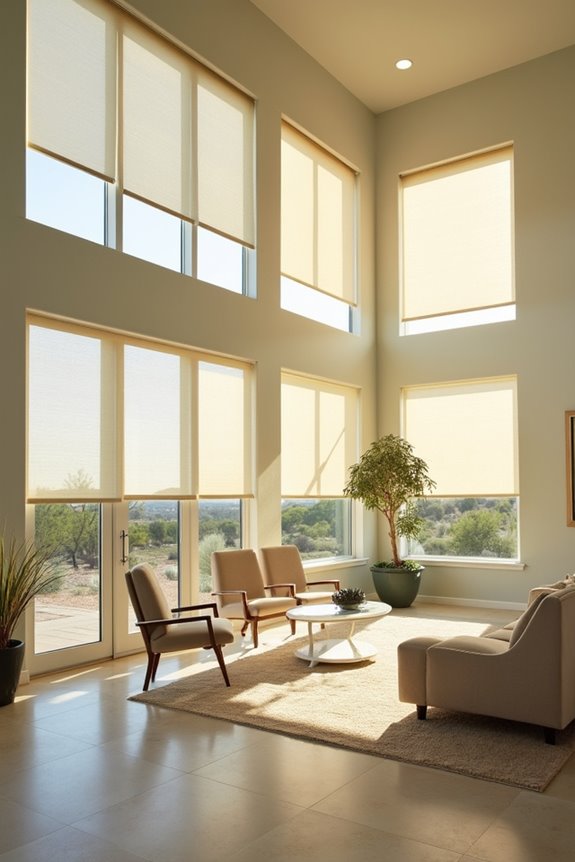
- Insulated Roller and Roman Blinds: Utilizing thermal fabrics, they enhance insulation and minimize cold air gaps effectively. Additionally, automated adjustments based on sunlight can further improve energy efficiency in colder months.
Recommended Products

💓PINCH PLEATED CURTAIN: Sold per pair (2 panels). Each panel size measure: 52" W x 288 "L; Weight: 12.64 lb (5.74 kg)/1 pc, 25.28 lb (11.48 kg)/2 pcs. 9 or 10 pleats for 52" width. Come with adjustable plastic pin hooks. Please noted that round metal rings are not included. Workable for track or rods with rings. Easy to install and slide.

✅LINEN TEXTURE PANLES: This heavy textured window curtain panel is composed of 285gsm natural linen fabric, natural and eco friendly, It add extra 220gsm white full blackout liner make the drapes thick enough to blackout moderate sunlight and UV ray.

INNOVATED MATERIAL: Fabric material is made of linen & polyester blend, 285gsm heavyweight with 220gsm white thermal blackout lining, total 505gsm heavy weight.
Weatherproofing Techniques for Maximum Insulation

To maximize insulation in our homes, weatherproofing techniques play a significant role. One effective method is using weatherstripping materials like foam tape or rubber to seal gaps around window sashes. This is a simple process that involves measuring, cleaning the frame, and applying adhesive strips.
For fixed windows, caulking techniques are beneficial. By filling cracks around the frames with silicone or latex caulk, we create a long-lasting barrier against cold air. This method improves our home’s energy efficiency by reducing drafts and heat loss.
Combining both weatherstripping and caulking gives us a thorough air-sealing strategy. This approach not only protects us from the cold but also enhances our overall indoor comfort, promoting a cozier living environment. Additionally, incorporating insulated window treatments can further contribute to maintaining comfortable indoor temperatures and reducing energy costs.
Recommended Products

SPECIFICATIONS AND DIMENSIONS: This ribbed rectangle weatherstrip adhesive rubber gasket measures 0.187” in height, 0.375” in width, and is 500’ in length but can be cut to fit your application; Note: For best watertightness, seal should compress 25-50%

EPDM FOAM RUBBER SEAL: Trim-Lok D-Shaped Rubber Seal drowns out noise, eliminates vibration, and protects your vehicle, boat, or home from outside elements.
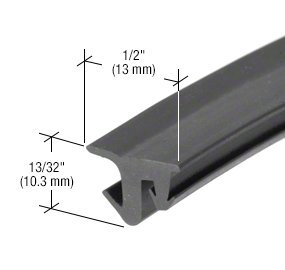
Black EPDM Top Load Gasket
Benefits of Cellular Shades in Cold Weather

When we consider ways to keep our homes comfortable during the colder months, cellular shades emerge as a highly effective option. These shades use a unique honeycomb design that traps air, creating a layer of insulation.
- Energy Efficiency: They can reduce heat loss through windows by up to 40%, which may lead to annual energy savings of about 10%.
- Indoor Comfort: Cellular shades block cold drafts, helping maintain consistent indoor temperatures near windows.
- Noise Reduction: The air pockets also help dampen external noise, creating a quieter environment. Additionally, they offer significant thermal insulation efficiency, which is essential for maintaining comfortable indoor temperatures year-round.
Recommended Products

Smart Control: STANDARD MOTOR need smart hub(need to buy separately) to connect to All versions Alexa and Google Assistant. ZIGBEE MOTOR can connect 5 Versions' Alexa directly (Echo Plus 2nd Gen, Echo Show 2nd Gen, Echo Studio, Echo Show 10, Echo 4th Gen). Other version of devices and Google still need a smart HUB. Z-WAVE Motor works with Smart hub at home. THREAD MOTOR works with HomeKit via Thread networking technology. Refer to the main product diagram for more information

Gentle Light, Full Control: Forget the cords and complicated smart hubs—our motorized smart cellular shades put full control in your hands. With the included remote, you can raise or lower your cellular shades with just one click. Our light filtering automatic cellular shades give you the best of both worlds - soft natural light and just the right amount of privacy.

【Smart Elongated Arch Shaped Shades】Yoolax Motorized cellular shades, custom-made for your unique elongated arch windows! Compared to other ordinary shades, our light-filtering cellular blinds are specifically tailored, offering a perfect fit in various sizes and colors. Featuring unique shape and smart design, our motorized shades bring both style and high-end functionality to your living space
Best Practices for Installation and Maintenance
In order to maximize the benefits of our window treatments during colder months, careful installation and maintenance are essential.
Installation Tips
First, we should snugly install our treatments within or just outside the window frame to reduce gaps. It’s important to choose the right mounting method, using inside mounts for aesthetics and outside mounts for better draft protection. For larger windows, we can either align multiple shades or opt for larger custom units to avoid air leaks. Additionally, selecting shades with thermal insulation can significantly enhance energy efficiency during the winter months.
Maintenance Strategies
Regular maintenance is vital. Let’s clean our treatments consistently to maintain their performance and check mounts for tightness seasonally to avoid air infiltration. If we adjust treatments based on seasonal airflow, we can enhance insulation, so lowering shades completely in winter is ideal.
Recommended Products

Cordless Design- These cordless Roman shades offer a sleek, cord-free appearance, enhancing the safety of your home, especially for families with children and pets. The cordless mechanism ensures a tidy look and ease of use, eliminating the clutter of dangling cords.

Natural Ramie Woven Blinds: Our cordless roman shades is made from natural fibers extracted from the ramie plant, carefully selected and processed with exquisite craftsmanship to ensure a soft and durable texture, bringing the natural charm into your home.

💯【Blackout & Energy Saving】Moonice cordless roman shades for windows feature with 9 colors line fabric for option, all can effectively block incoming light and rays, preventing furniture, flooring, and decor from fading and aging, creating a completely dark environment. Room darkening roman shades keep warm in winter and cool in summer, ideal for bedrooms, living room, study room or office.
Frequently Asked Questions
How Do Window Treatments Affect Indoor Humidity Levels?
When it comes to indoor humidity levels, we find window treatments play an essential role. They help us achieve humidity control, enhancing our indoor comfort by reducing moisture buildup and preventing mold growth, keeping everything cozy and healthy.
Can Window Treatments Block Noise as Well as Cold Air?
Yes, window treatments like soundproof curtains can effectively block noise as well as cold air. By combining them, we enhance noise reduction while improving insulation, creating a more comfortable and peaceful indoor environment for everyone.
What Are the Environmental Impacts of Insulating Window Treatments?
Insulating window treatments offer sustainability benefits and energy conservation by reducing greenhouse gas emissions, lowering energy demand, and improving indoor air quality. Together, we can contribute to a healthier environment and significant energy savings for our homes.
Do Window Treatments Qualify for Energy Efficiency Tax Credits?
Yes, window treatments can qualify for energy credits, offering tax benefits to us. By selecting eligible products, we can enhance energy efficiency while enjoying potential savings when filing our taxes. Let’s invest wisely for our homes!
How Long Do Insulating Window Treatments Typically Last?
Insulating window treatments typically have a lifetime expectancy of 3 to 30 years, depending on material durability. With proper care, we can extend their lifespan, ensuring they continue to provide effective insulation and style in our homes.