As an Amazon Associate, we earn from qualifying purchases. Some links may be affiliate links at no extra cost to you. Although our opinions are based on curated research, we haven't used these products. Articles generated with AI.

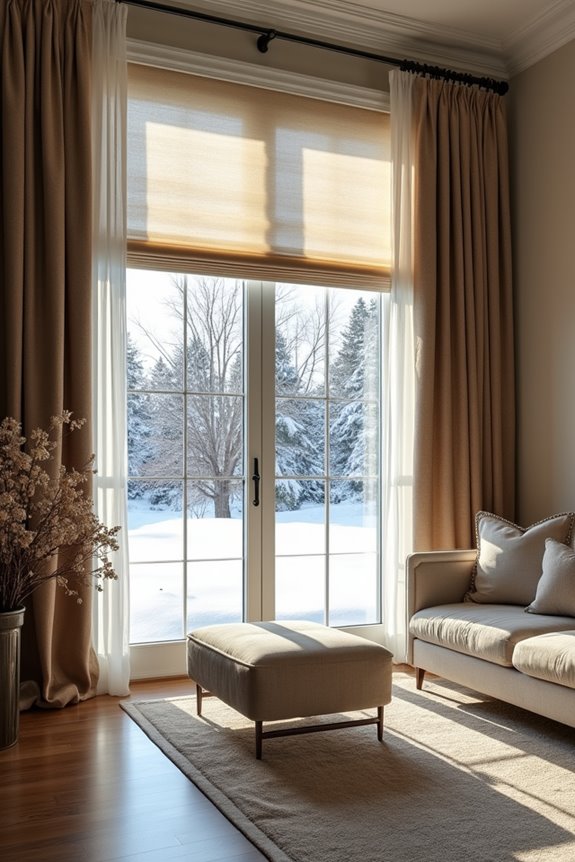
What Are Winter Window Treatment Tips?

To prepare our homes for winter, we should consider effective window treatments that enhance insulation and reduce energy costs. First, using cellular shades can considerably minimize heat loss. Layering window treatments, like combining thermal curtains with traditional drapes, also boosts insulation. Applying weatherstripping and caulk around windows helps prevent drafts. Finally, selecting custom-fitted treatments guarantees peak performance. These tips can make a noticeable difference in comfort and efficiency, and we can explore more strategies to enhance our winter readiness.
Key Takeaways
- Utilize layered window treatments, like thermal curtains and cellular shades, to enhance insulation and reduce heat loss during winter.
- Close blinds and curtains at night to cut down heat loss by up to 10% and maintain indoor warmth.
- Consider motorized or smart blinds that automatically adjust to optimize heat retention based on sunlight throughout the day.
- Regularly maintain window treatments by dusting and checking for damages to ensure maximum energy efficiency and insulation.
- Apply weatherstripping and caulk around windows to seal gaps, preventing drafts and improving overall comfort during colder months.
Understanding Insulating Materials

You may be interested


When it comes to keeping our homes warm during winter, understanding insulating materials is essential. Several options are available that can enhance our home’s energy efficiency.
Bubble Wrap Benefits
One inexpensive and DIY-friendly method is bubble wrap. By applying it directly to our windows, the air pockets create small barriers that greatly reduce heat loss. It allows diffused natural light while maintaining privacy.
Weatherstripping Options
Additionally, weatherstripping is another effective solution. We can easily apply adhesive tape or foam strips along window edges to seal gaps and block drafts. This simple installation can considerably decrease heat loss and create a more comfortable home. Insulated window treatments, such as blackout curtains, can further enhance energy efficiency by stabilizing indoor temperatures.
Together, these approaches can help us achieve a warmer, more energy-efficient living space during the cold winter months.
Benefits of Cellular Shades

Cellular shades offer numerous advantages that make them an excellent choice for winter window treatments. One key feature is their cellular design benefits, which trap air in pockets, providing effective air pocket insulation. This design reduces heat loss by up to 40%, considerably impacting our energy bills during colder months.
Moreover, cellular shades come in various fabric options for light control, enhancing privacy while keeping harmful UV rays at bay. They also dampen noise, creating a quieter space—especially valuable in busy areas. Additionally, these shades can effectively reduce heating and cooling costs by maintaining indoor temperatures, further contributing to energy efficiency.
With a sleek appearance and durable materials, cellular shades seamlessly blend with our home décor and guarantee longevity. Overall, their insulating capabilities, aesthetic versatility, and practical benefits make them ideal for winter.
Importance of Layering Window Treatments

Layering window treatments brings significant advantages that can elevate our home’s functionality and design. The benefits of layering extend beyond mere aesthetics; they also enhance light control, privacy, and energy efficiency.
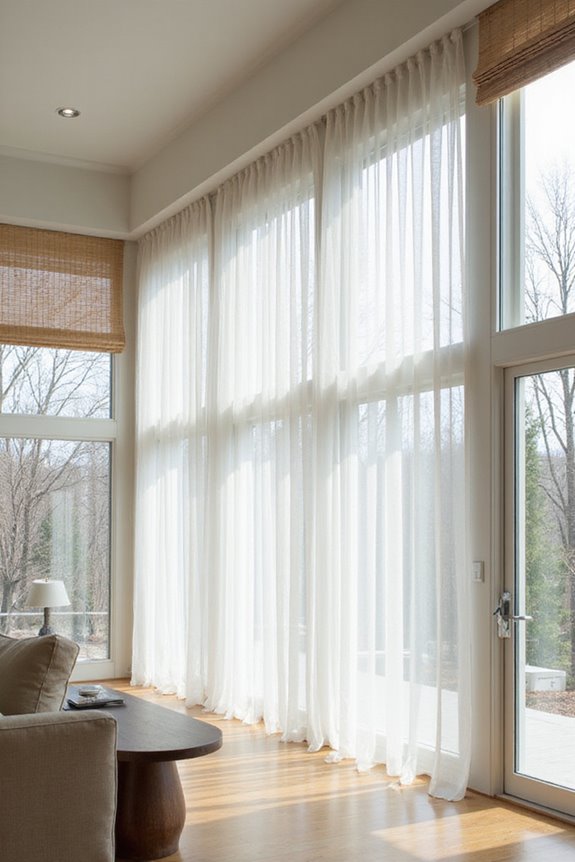
By combining sheer curtains with heavier drapes, we can effectively regulate the amount of sunlight entering our rooms while maintaining our privacy during the day. This versatile approach allows us to adapt to varying lighting needs throughout the day.
From an aesthetic perspective, layering adds depth and texture, creating a sophisticated look that complements various interior styles. Coordinating different fabrics enriches the design while serving functional purposes. This practical and stylish combination truly maximizes both comfort and visual appeal, making our living spaces more inviting and energy-efficient during winter months. Additionally, different textures can create visual interest and enhance the overall design of the room.
Best Types of Winter Window Treatments

Although choosing the right window treatment can seem overwhelming, several options stand out for their effectiveness in winter.
Honeycomb Shades
These shades create honeycomb pockets that trap air and reduce heat transfer by about 22%. Their design efficiently maintains light filtering and privacy.
Roman Shades with Thermal Lining****
These elegant shades feature thermal linings that prevent drafts, available in various seasonal fabric options for personalization.
Faux Wood Blinds
Durable and moisture-resistant, these blinds provide moderate insulation while maintaining a classic aesthetic.
Roller Shades
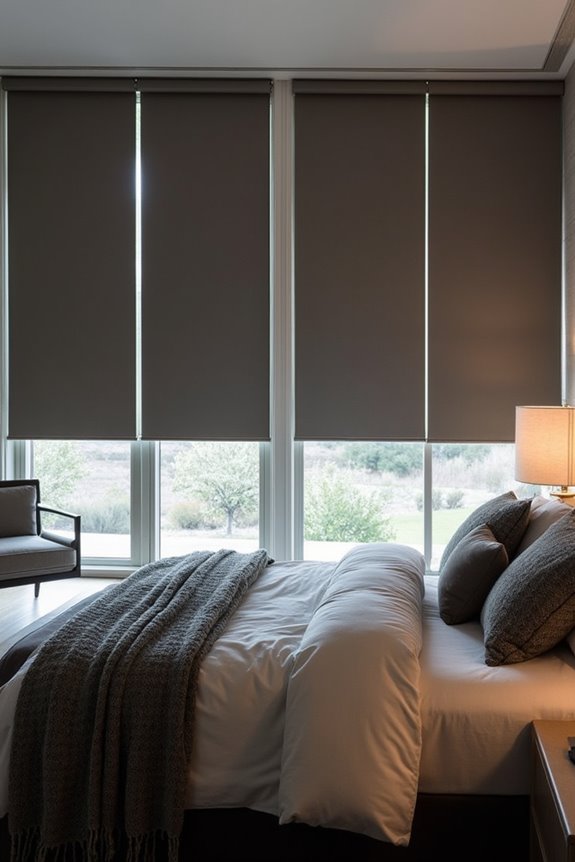
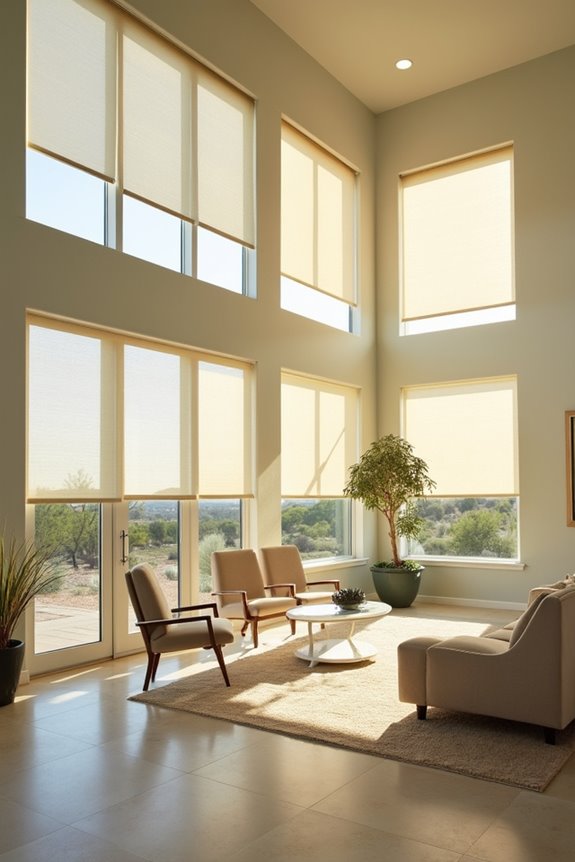
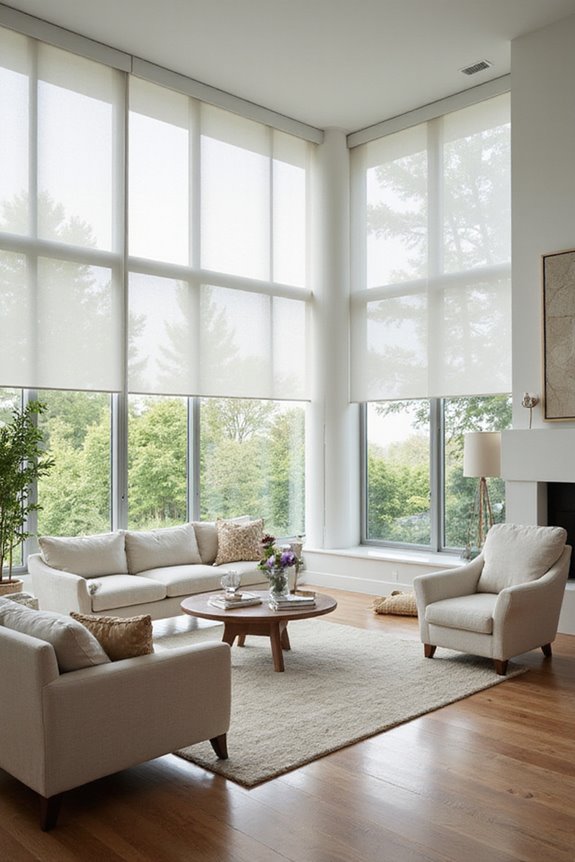
Available in insulating fabrics like blackout and solar screen, these shades blend minimalism with effective heat retention.
Shutters for Cold Climates
Custom-made shutters offer a solid barrier against cold air, enhancing heat retention greatly. Utilizing insulated curtains can significantly improve energy efficiency and reduce heating costs during winter.
Exploring these window treatment trends can effectively enhance winter comfort.
Recommended Products

【Fabric Roman Shades Cordless】Fabric roman shades cordless paint our room with a touch of nature. The cordless design ensures safety and ease of use for children as well as pets, making these natural shades for windows the perfect combination of practicality and style. Certified as the best cordless control for children, the woven blinds cordless come with an attached handle pull that is easy to adjust and durable.

Cordless Design- These cordless Roman shades offer a sleek, cord-free appearance, enhancing the safety of your home, especially for families with children and pets. The cordless mechanism ensures a tidy look and ease of use, eliminating the clutter of dangling cords.

【Cordless Lift Feature】Our cordless design roman shades offer easy operation, ensuring safety for children and pets, and providing smooth and precise control.
Utilizing Thermal Curtains for Insulation

When it comes to enhancing our home’s energy efficiency during winter, thermal curtains offer an effective solution. These curtains can reduce heat loss through windows by about 25-33%, acting as an insulating barrier.
Thermal Curtain Types and Structure
Thermal curtains typically consist of three layers: a decorative fabric, an insulating middle layer made from materials like foam or felt, and a backing that serves as a vapor barrier. This structure maximizes insulation and energy savings. Additionally, heavy noise-reducing curtains can further enhance comfort by blocking outside disturbances while maintaining warmth.
Installation Tips for Maximum Effect
To achieve the best results, we should verify the curtains extend beyond the window frame and reach the floor. This traps air and prevents drafts, ultimately keeping our homes warmer and reducing heating costs considerably.
Recommended Products

【Galvanized Steel & Double-roof】- This patio gazebo has a double-layer galvanized steel roof that offers great ventilation and airflow. Its sturdy construction provides protection against wind, rain, and snow, while the galvanized steel material ensures thermal insulation, waterproofing, and noise reduction.

GALVANIZED STEEL DOUBLE ROOF: This patio gazebo has a double-layer galvanized steel roof that offers great ventilation and airflow. Its sturdy construction provides protection against wind, rain, and snow, while the galvanized steel material ensures thermal insulation, waterproofing, and noise reduction.

💓TWO PANELS: Sold per pair (2 panels). Each panel measures: 100 W x 288 L inches; 1 Panel weights: 16.88LB (7.66KG). Each window drape constructed 14 nickle grommets with 1.6 inch inner diameter, fit well with standard or decorative curtain rods. Easy to install and slide. Matching tiebacks included.
Closing Treatments at Night and Overcast Days
Closing our window treatments at night and on overcast days plays a significant role in maintaining warmth and energy efficiency in our homes. By doing this, we can reduce heat loss through our windows, creating a barrier against the cold air outside.
- Nighttime Benefits: Closing curtains or shades can cut heat loss by up to 10%, enhancing our thermal comfort and trapping warm air indoors.
- Overcast Day Benefits: On cloudy days, keeping window treatments closed helps maintain warmth as no solar energy is available.
- Material Matters: Using thick, well-insulated treatments enhances this effect. Additionally, thermal window covers provide effective insulation made from premium materials, helping to maintain heat and reduce energy costs.
Opening Treatments on Sunny Days
Opening our window treatments on sunny winter days allows us to take full advantage of solar heat gain, keeping our living spaces warmer and more comfortable.
To maximize this benefit, we should open treatments fully on windows that face the sun. This allows sunlight to naturally warm our interiors. For extra warmth, we can adjust any closed blinds with a downward tilt to direct sunlight inward while maintaining privacy.
During daylight hours, it’s important to keep these window treatments open to capture the free heat from solar radiation. Using light-colored or white linings can help reflect and distribute sunlight deeper into our rooms, enhancing the warmth and comfort we experience during those colder days.
Incorporating Automation for Efficiency
Incorporating automation into our window treatments can greatly enhance both comfort and energy efficiency during the winter months. With smart control, we can program our automated routines to open blinds during sunny days, maximizing heat gain, and close them at night to trap warmth. This simple adjustment can cut heating costs by up to 30%.
Motorized blinds can operate based on the time of day or environmental sensors, allowing for effortless adjustments from a cozy spot. Plus, integrating these treatments with smart home systems lets us manage indoor temperatures automatically, ensuring our home remains comfortable without manual effort. Overall, incorporating automation not only boosts convenience but also contributes to a smaller carbon footprint and lower utility bills throughout winter.
Selecting Durable Window Treatments
When choosing window treatments for winter, how can we guarantee they provide both durability and effective insulation? Selecting options made from durable materials is key to ensuring long-lasting performance against the cold.
Cellular Shades are a great choice, featuring honeycomb designs that trap air, enhancing insulation without warping in the cold. Thermal Roman Shades offer stylish options with layered fabrics for extra warmth, while Faux Wood Shutters resist cracking and drafts, perfect for harsh climates.
We can also consider Thick Draperies for their dense barrier against cold air, paired with lined shades for improved insulation. By focusing on both style and durability, we’re ensuring our window treatments effectively protect our homes during winter.
Recommended Products

Smart Control: STANDARD MOTOR need smart hub(need to buy separately) to connect to All versions Alexa and Google Assistant. ZIGBEE MOTOR can connect 5 Versions' Alexa directly (Echo Plus 2nd Gen, Echo Show 2nd Gen, Echo Studio, Echo Show 10, Echo 4th Gen). Other version of devices and Google still need a smart HUB. Z-WAVE Motor works with Smart hub at home. THREAD MOTOR works with HomeKit via Thread networking technology. Refer to the main product diagram for more information
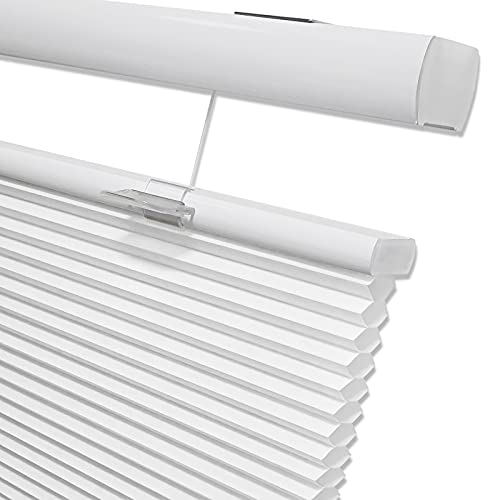
Note: Each custom size top/up down cordless window blind is made to order, can't be sold after a return. We appreciate customer precise measures & careful orders, avoid return without quality issues. Please contact us by Amazon message if you have any questions.

【Cordless Design】Our cordless cellular shades creates a safer environment for children and pets. The push-pull system allows you to stop the shades at any height by pulling the bottom rail down or lifting it up, no need to cut length to fit. The blackout shades great for bedroom, living room, bathroom, kitchen, French door and office etc.
Maintenance for Energy-Efficient Treatments
To maintain energy-efficient window treatments during winter, we should prioritize regular upkeep and vigilance.
Regular Dust Removal
Accumulated dust can reduce air quality and efficiency. Weekly dusting with microfiber cloths helps prevent buildup, ensuring optimal insulation. For fabric curtains, using a vacuum with a brush attachment removes allergens gently.
Seal Inspection
It’s vital to inspect seals for any cracks or damage. This step helps retain thermal insulation. If we find deterioration, replacing broken seals promptly maintains energy efficiency. Caulking gaps and applying weatherstripping around windows provides essential airtightness.
Energy Savings From Proper Window Coverings
Maintaining energy-efficient window treatments sets the stage for considerable energy savings. It is understood that up to 30% of heat can escape through unprotected windows in winter. By installing effective window treatments like double-cell honeycomb blinds, we can maximize insulation and markedly reduce heat loss.
- Types of Treatments: Cellular shades can improve heating efficiency by about 10%, while thermal drapes help retain warmth.
- Automated Options: Installing automated insulating shades can lower energy use by 25%, adjusting to temperature changes.
- R-Values: Selecting window coverings with higher R-values increases thermal resistance, which means better heat retention.
Custom-Fitted Treatments for Optimal Performance
Custom-fitted window treatments offer a practical solution to enhance both the energy efficiency and aesthetic appeal of our homes. These treatments use custom measurements to guarantee a precise fit, eliminating gaps that can let cold air in. By tailoring designs to our specific window shapes, like arches or bays, we improve thermal performance.
Moreover, the choice of materials plays an essential role. Selecting thick, multi-layered fabrics or cellular shades creates insulating air pockets, optimizing warmth in winter. Custom options also allow us to control light effectively, choosing from blackout to thermal fabrics tailored to each room’s needs.
Recommended Products
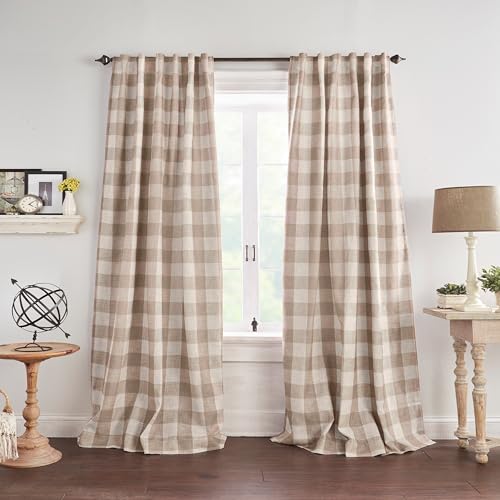
BLACKOUT WINDOW CURTAIN: Embrace chic rustic style with the Elrene Home Fashions buffalo-plaid blackout single curtain panel. Add country style and sun protection with this blackout panel.

OEM Original Twill Canvas acoustically enhanced cloth topping material

1. **Enhanced Protection**: Rolling shutters metal outdoor Double layer aluminum slats, defence high winds, hurricane, and debris.
Strategies for Preventing Drafts
While winter can bring cozy nights indoors, it also poses challenges with cold drafts infiltrating our living spaces. We can adopt effective draft prevention strategies to make our homes more comfortable.
Weatherstripping and Caulking
First, we should apply weatherstripping around window sashes and frames to seal gaps. Materials like adhesive foam tape and vinyl strips work well. Additionally, using caulk can fill cracks that weatherstripping misses, especially around corners and stationary parts.
Draft Stoppers
Next, consider using draft stoppers at windows and doors. These fabric tubes block cold air effectively.
Insulation Films
Finally, window insulation films are a low-cost option to create airtight barriers over glass surfaces. By implementing these sealing techniques, we can greatly reduce drafts and increase warmth in our homes.
Recommended Products

Strong Adhesive: Our bulk gaffers tape has a natural rubber adhesive base, offering powerful & robust binding strength. It does not leave any stickiness or residue behind, making equipment and rented studios safe from being ruined by gummy, sticky & grimy substances
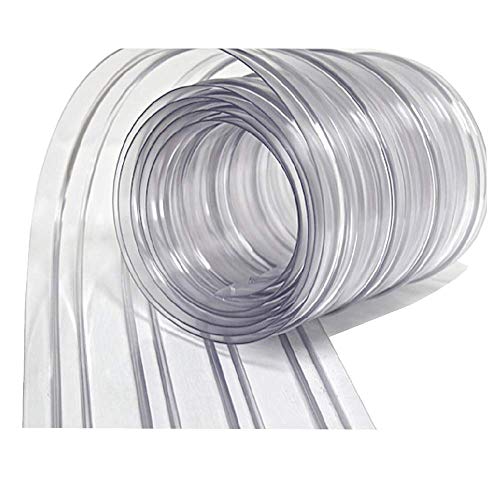
CONTROL WHAT GOES IN & OUT: Resilia curtain strips come with no pre-punched holes, offering a fully customizable solution for any doorway, pet enclosure, or workspace, blocking 80% of air loss to maintain consistent temperatures year-round

EXTREMELY EFFECTIVE - reflects 95% of radiant energy, R15 insulation.
Enhancing Decor While Insulating
As we seek to make our homes warm and inviting during winter, it is important to reflect on how our window treatments can both beautify our space and improve energy efficiency.
Choosing Insulating Fabrics****
Heavy fabrics like thermal-backed curtains and thick velvet not only trap heat but also enhance our decor styles. Opting for rich colors can add vibrancy while maintaining warmth.
Versatile Window Shades
Cellular shades, available in various color themes, are both stylish and insulating. Their honeycomb design effectively reduces heat transfer.
Creative Applications
For an economical solution, insulating window films or bubble wrap can be applied while allowing natural light. These practical options maintain aesthetic appeal without sacrificing comfort.
Frequently Asked Questions
How Do Window Treatments Affect Overall Home Aesthetics?
Window treatments greatly affect our home’s aesthetics by providing design harmony. When chosen thoughtfully, they create aesthetic cohesion, enhancing the overall look and feel of our spaces while complementing both functionality and style throughout the seasons.
What Are the Best Colors for Winter Window Treatments?
When choosing colors for winter window treatments, we can embrace color psychology to enhance warmth. Dark tones create coziness, while earthy hues reflect seasonal trends. Let’s blend muted jewel tones for a touch of elegance and vibrancy.
Can Window Treatments Reduce Noise as Well as Heat Loss?
Yes, our window treatments can greatly enhance sound insulation and thermal efficiency. Layering options like cellular shades and heavy curtains helps block noise and retain heat, making our spaces more comfortable year-round.
How Often Should I Replace My Window Treatments?
When we noticed our living room curtains fading after eight years, we realized it’s time for an update. Generally, drapes last 7-10 years while blinds have a shorter treatment lifespan of 5-7 years.
Are There Eco-Friendly Options for Winter Window Coverings?
Yes, there are eco-friendly options for winter window coverings! We can choose sustainable fabrics like bamboo or recycled materials, enhancing energy efficiency while reducing our environmental impact and keeping our homes cozy and warm.