As an Amazon Associate, we earn from qualifying purchases. Some links may be affiliate links at no extra cost to you. Although our opinions are based on curated research, we haven't used these products. Articles generated with AI.


Do Window Treatments Save Energy?

Yes, window treatments do save energy. By utilizing products like cellular shades and thermal curtains, we can reduce heat loss in winter and heat gain in summer. Cellular shades block solar radiation and enhance insulation, while thermal curtains provide an airtight seal for better energy efficiency. Investing in automated shades can further cut energy consumption considerably. These enhancements not only lower energy bills but also improve comfort and aesthetics in our homes. There’s more to discover about maximizing energy savings effectively.
Key Takeaways
- Window treatments can significantly reduce heating and cooling energy loss, with potential savings between 15% to 40% depending on the type used.
- Insulated curtains and cellular shades improve thermal performance, blocking excessive heat gain in summer and preventing heat loss in winter.
- Automated shades offer customizable energy-saving features, potentially reducing cooling energy use by about 25%.
- Thermal curtains can lead to annual savings of $100 to $300 on energy costs by enhancing insulation and reducing drafts.
- Energy-efficient window treatments contribute to sustainability by lowering carbon emissions and promoting the use of renewable materials.
Understanding Energy Loss Through Windows

You may be interested
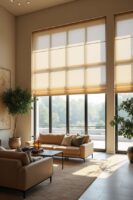

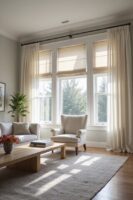
Windows play an essential role in the energy efficiency of our homes. They can contribute to up to 30% of our heating and cooling energy loss, leading to higher bills. To minimize this loss, we should consider using energy efficient materials. For example, installing double-pane glass or low-emissivity coatings considerably improves thermal performance. In addition, using insulated curtains can significantly reduce heat loss during winter and heat gain in summer, enhancing overall energy savings. Effective window installation techniques are also vital. Proper sealing prevents drafts and air leaks, which account for a major portion of heat loss. Regularly checking and maintaining window frames can help retain their insulating gas, maximizing efficiency.
The Role of Window Treatments in Energy Efficiency

When it comes to enhancing our homes’ energy efficiency, window treatments play a significant role that we shouldn’t overlook. Numerous window treatment types, like insulating shades and cellular shades, offer energy efficient solutions for managing heat transfer. For example, automated insulating shades can cut energy consumption by about 25% by improving temperature regulation year-round. Cellular shades can save up to 15% more energy than traditional blinds. They effectively trap air and minimize heating and cooling loads. Blackout roller shades, on the other hand, reduce heat loss more than light-filtering options. Choosing the right window treatment not only enhances comfort but also helps achieve energy savings, making our homes more sustainable and efficient. Additionally, insulated window treatments help lower energy bills year-round and improve overall home comfort by shielding against outdoor temperature fluctuations.
Recommended Products

【Please Note】&【Support Customization】❶Fabric width will be 0.16" shorter than the size of the headrail. Our blinds can be used for either inside mount or outside mount. You will also receive an installation guide, installation hardware and for more size options of this same blinds. Pls feel free to MSG us if there are any questions.❷You can also click the "Customized" option to make customization by yourself.

【Cordless Design】Our cordless cellular shades creates a safer environment for children and pets. The push-pull system allows you to stop the shades at any height by pulling the bottom rail down or lifting it up, no need to cut length to fit. The blackout shades great for bedroom, living room, bathroom, kitchen, French door and office etc.

Elevate your living space with our premium Honeycomb Blinds, designed to combine functionality and elegance. Engineered to reduce noise while effectively insulating your indoor environment, these light-filtering blinds provide both privacy and a gentle glow, allowing you to enjoy the beauty of natural light without compromising your comfort.
How Cellular Shades Work to Save Energy

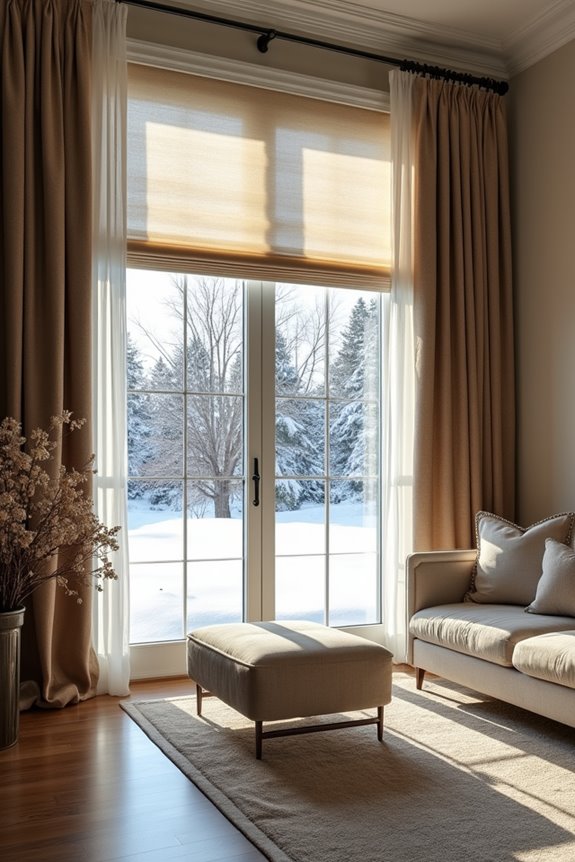
Cellular shades are designed with an innovative honeycomb structure that promotes energy efficiency in our homes. This unique cellular design creates multiple air pockets, which serve as insulating barriers. These barriers help reduce heat transfer, keeping our homes warmer in winter and cooler in summer.
- In winter, properly installed cellular shades can reduce heat loss through windows by up to 40%.
- In summer, they block excessive solar radiation, leading to savings of about 15-20% in total energy.
Some shades feature advanced designs, like “honeycomb-within-honeycomb,” enhancing energy performance further. With improved insulation, cellular shades not only help lower utility bills but also contribute to a reduced carbon footprint through energy savings. Additionally, thermal insulation efficiency is a crucial factor in maximizing the benefits of window treatments.
Recommended Products
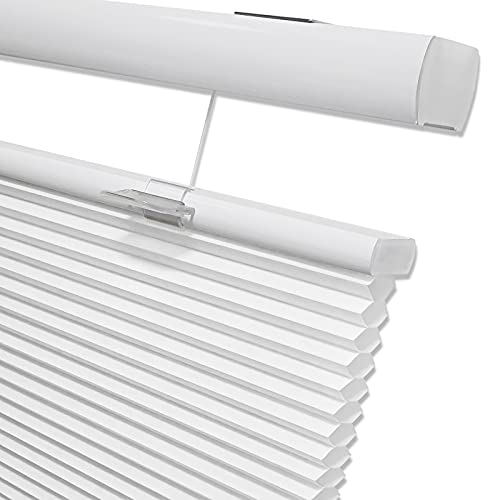
Note: Each custom size top/up down cordless window blind is made to order, can't be sold after a return. We appreciate customer precise measures & careful orders, avoid return without quality issues. Please contact us by Amazon message if you have any questions.
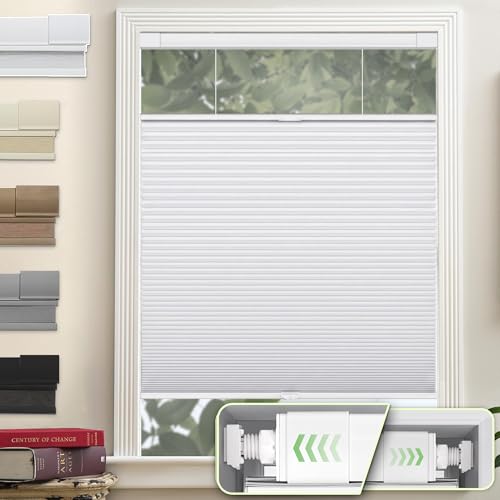
【Upgraded Dual Tensioners】:Our top down bottom up shades now feature upgraded dual tensioners, guaranteeing absolutely no slipping. Install these top down bottom up shades in just 30 seconds—no tools, brackets, drilling, or hassles needed. Experience effortless setup with our reliable top down bottom up shades.

【ADVANCED LIGHT BLOCKING】 A cutting-edge solution designed to block sunlight and heat. Experience unparalleled light-blocking capability, with up to 99.99% efficiency to reduce glare, minimize heat loss in colder months, and maintain a comfortable temperature while significantly lowering energy costs throughout the year.
Benefits of Thermal Curtains for Insulation

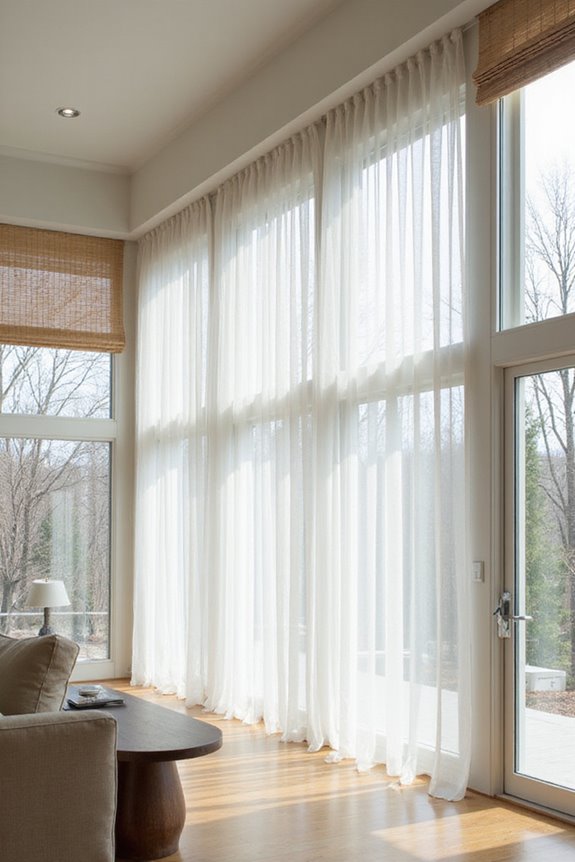
While many might not realize it, thermal curtains offer significant advantages for improving a home’s energy efficiency. These curtains are designed with specific thermal curtain materials like reflective backing and insulating layers that work together to reduce heat loss in winter and keep homes cool in summer. Proper installation techniques, such as ensuring a close fit against window frames, create an airtight seal, enhancing their insulating properties. Studies show that well-installed thermal curtains can help homeowners save between $100 and $300 on annual energy costs. Additionally, using eco-friendly treatments can improve indoor air quality and contribute to a healthier living environment.
Recommended Products

💓TWO PANELS: Sold per pair (2 panels). Each panel measures: 100 W x 288 L inches; 1 Panel weights: 16.88LB (7.66KG). Each window drape constructed 14 nickle grommets with 1.6 inch inner diameter, fit well with standard or decorative curtain rods. Easy to install and slide. Matching tiebacks included.

FLAT HOOKS TOP CURTAIN: Sold per pair (2 panels). Each panel measures: 100 W x 288 L inches. Come with adjustable plastic pin hooks. 10 hooks for 52" width; 21 hooks for 100"W. Easy to install and slide.

✅LINEN TEXTURE PANLES: This heavy textured window curtain panel is composed of 285gsm natural linen fabric, natural and eco friendly, It add extra 220gsm white full blackout liner make the drapes thick enough to blackout moderate sunlight and UV ray.
Managing Solar Heat Gain With Solar Shades
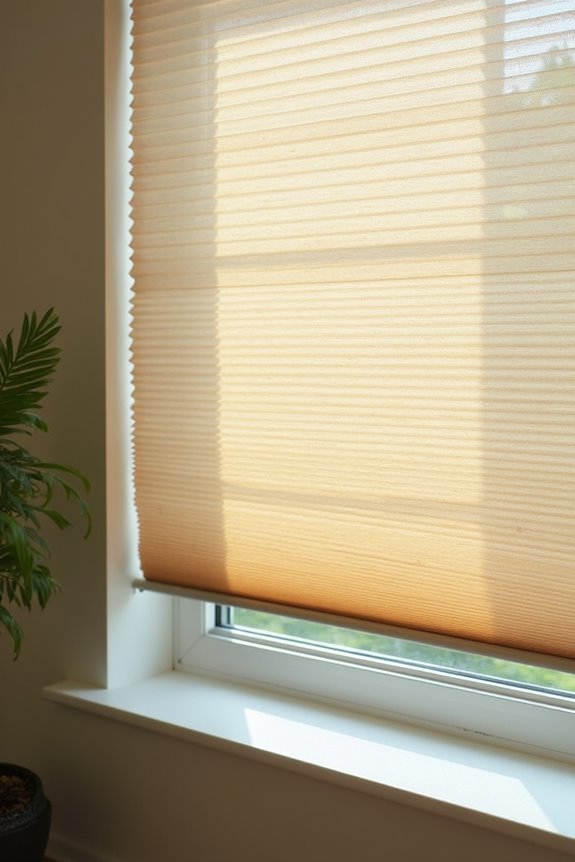
To effectively manage solar heat gain in our homes, solar shades offer a practical solution that balances energy efficiency with natural light. These shades can block 80-90% of solar heat gain, depending on their fabric characteristics. By reflecting and absorbing sunlight, they help reduce indoor temperatures, enhancing comfort.
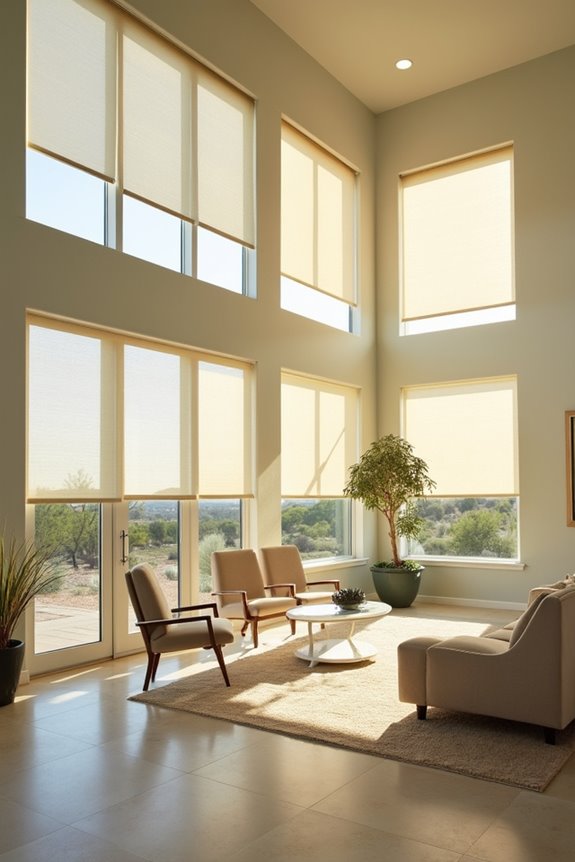
Solar shades benefits include controlling glare and UV radiation, which not only protect furnishings but also boost energy savings. Using solar shades can lower air-conditioning energy use by 10-20%, making them particularly effective in sunny conditions. The openness factor of the fabric is vital; a lower openness provides better heat gain reduction, while dark colors absorb more heat. Choosing the right solar shades can greatly impact both comfort and energy bills. Additionally, custom sizing allows homeowners to maximize energy savings while ensuring a perfect fit for their windows.
Recommended Products

Energy-Efficient Low Amp Draw – Our RecPro RV air conditioner is engineered with a low amp draw, allowing you to power multiple RV appliances at once without overloading your system. Ideal for off-grid, solar, or generator setups—maximize comfort while minimizing energy usage.

Energy-Efficient Low Amp Draw – Our RecPro RV air conditioner is engineered with a low amp draw, allowing you to power multiple RV appliances at once without overloading your system. Ideal for off-grid, solar, or generator setups—maximize comfort while minimizing energy usage.

Solar Screens for Windows Exterior – Tired of the extra heat and glare coming through your window or patio enclosure in the afternoon? Phifer’s 90% solar window screens feature a unique woven screen mesh that reduces both heat and light, providing effective sun shade. Enjoy a cooler, more comfortable space without sacrificing natural light.
The Efficiency of Roller Shades in Energy Savings
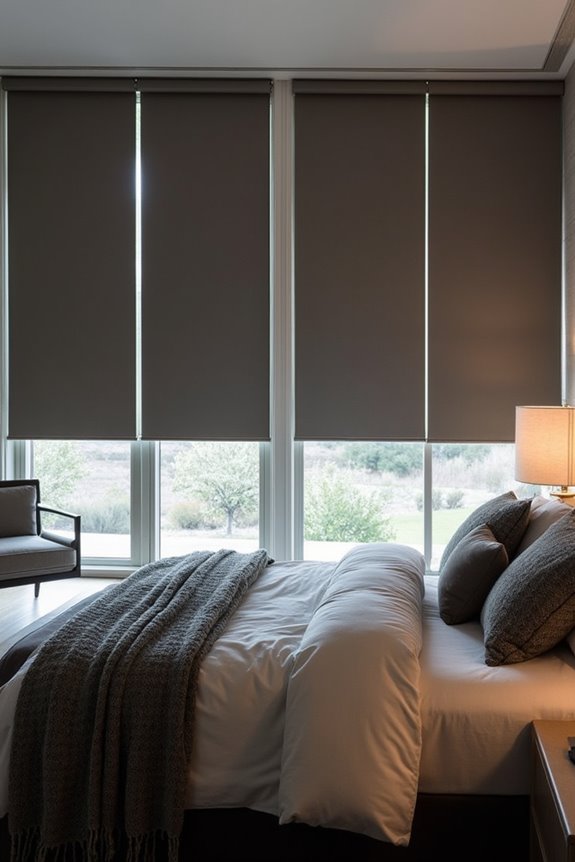
When we explore the energy-saving potential of roller shades, it’s important to understand their role in improving home comfort and efficiency. Roller shade features, particularly blackout options, can enhance heat retention by up to 167%. This improvement effectively slows cooling times, which may lead to lower energy usage in warmer climates. Additionally, the energy efficiency of roller shades contributes to potential savings on energy bills over time. However, we must consider their installation efficiency. While roller shades offer some benefits, their insulating capabilities are less than those of cellular shades. Automated roller shades paired with control systems have shown a remarkable 25% reduction in energy consumption, especially during heating and cooling cycles. Consequently, proper installation and usage of roller shades can lead to significant energy savings across various climates.
Comparing Venetian and Vertical Blinds for Insulation
Energy-efficient window treatments come in various forms, and two popular options are Venetian and vertical blinds. When comparing their insulation properties, we should consider their ability to reduce air leakage and improve thermal resistance.
Venetian Blinds
- Standard models are less effective at preventing heat loss due to gaps between slats.
- Wood and faux wood versions provide slightly better insulation compared to aluminum types.
Vertical Blinds
- These typically offer better coverage and can reduce drafts more effectively.
- Fabric vertical blinds, especially those with thicker slats, enhance thermal resistance when closed tightly.
Recommended Products

FIRE RATED FOR MAXIMUM SAFETY: Akfix Fire Rated ThermCoat Spray Foam Insulation is Class-A Fire Rated and tested to meet stringent fire safety standards such as ASTM E84,Engineered to provide enhanced fire protection in residential, commercial, and industrial applications.

TWO PANELS: Sold per 1 pair (2 panels). Each window drape adopt 1.6 inch inner diameter rustproof grommets, fit well with standard or decorative curtain rods. Easy to install and slide. 6 grommets for 42" width; 8 grommets for 52" width; 10 grommets for 72" width; 12 grommets for 84" width; 14 grommets for 100"W; 16 grommets for 120"W; 22 grommets for 150"W; 28 grommets for 200"W; 36 grommets for 250"W.

SCUBAPRO Pure Design: Everflex Yulex uses fewer seams and panels; Vertical rear YKK zipper closure with brass slider; Fuse-cut cuffs at the wrists and ankles offer optimal stretch and comfort
Cost Savings During the Heating Season
While many homeowners might overlook the impact of window treatments on energy bills, it’s essential to understand their potential for significant cost savings during the heating season. Different window treatment types, such as cellular shades, can lead to remarkable energy savings comparisons. For instance, cellular shades can provide up to 20% heating energy savings in various climates. Automated insulating shades enhance this, reducing overall energy use by 25%, which is especially beneficial in colder areas. By minimizing heat loss and optimizing indoor temperatures, these treatments make heating more efficient. Ultimately, investing in effective window coverings not only enhances comfort but can also lead to long-term financial benefits during winter months.
Cooling Season Benefits of Window Treatments
As temperatures rise, the importance of effective window treatments becomes even more apparent. With energy-efficient designs, such as insulated cellular shades, we can reduce HVAC energy use by approximately 15%. Their multi-layer structure helps block solar heat gain, minimizing our reliance on air conditioning.
Incorporating automated shades is another growing trend. Studies show they can cut cooling energy use by about 25% by adjusting in real-time to sunlight and glare.
Selecting the right materials can appreciably enhance our comfort, particularly in sun-facing rooms. Reflective blinds deflect heat and maintain cooler indoor conditions. Embracing these modern window treatment options not only promotes comfort but also allows us to contribute to energy savings during the cooling season.
Evaluating Cost-Benefit Analysis for Window Solutions
When considering window solutions, it is essential to weigh the upfront costs against long-term savings. Many homeowners find that low-E storm windows provide an effective balance between price and energy efficiency. With installation costs ranging from $100 to $200 per window, they are more affordable than complete replacements, which can exceed $600.
These storm windows can drastically improve window performance, reducing energy loss and heat gain. In fact, many users experience payback periods of 4 to 14 years, depending on their specific climate.
Moreover, window shades not only lower energy demands but also enhance comfort. Evaluating these options provides a better understanding of potential savings and benefits, ensuring we make informed choices to improve our homes efficiently.
Payback Period of Automated Window Treatments
Automated window treatments can offer significant energy savings, often leading to a payback period of just 3 to 5 years. A study showed that integrating automated shades can cut energy usage for heating and cooling by about 25%, particularly in climates like Chicago.
In our payback evaluation, we must consider factors like local energy costs and building design. Higher electricity prices can speed up returns, while installation complexities may extend payback duration.
Automation impacts, such as the use of environmental sensors, enable ideal adjustments for temperature control, further enhancing savings. Ultimately, our investment in automated shades not only leads to energy efficiency but can also lower maintenance costs and prolong HVAC system life over time.
Beyond Energy Savings: Comfort and Aesthetics
Window treatments contribute to more than just energy savings; they considerably enhance comfort and aesthetics in our living and working spaces.
Thermal Comfort Enhancement
Effective window coverings help insulate against heat loss in winter and heat gain in summer. This comfort enhancement results in more stable indoor temperatures, minimizing cold drafts and complaints about temperature dissatisfaction.
Visual Comfort and Glare Reduction
By managing natural light, window treatments reduce glare that can distract us. Adjustable blinds let us customize light levels, enhancing productivity and overall well-being.
Aesthetic Impact
Window treatments also serve as key design elements. With various materials, colors, and styles, they can complement our decor, improving overall visual appeal and even property value.
The Environmental Impact of Energy-Efficient Window Treatments
Energy-efficient window treatments play an essential role in promoting environmental sustainability while enhancing our living spaces. By using sustainable materials, like recycled polyester and FSC-certified wood, these treatments help reduce overall carbon emissions. When we choose options made from renewable resources, such as bamboo and reclaimed wood, we lessen the impact on finite natural resources.
These window treatments also improve insulation, lowering our heating and cooling energy needs. As a result, we contribute to a decrease in household carbon footprints. Additionally, the durable nature of eco-friendly options means they last longer, reducing waste. With responsible sourcing practices and minimal harmful chemicals, we help create a healthier environment for ourselves and future generations. It’s a positive step for our planet.
Automation and Control Strategies for Optimal Savings
How can we maximize our energy savings with innovative technology? Automated shading systems play an essential role in enhancing energy efficiency. By using sensor technologies, these shades can adjust automatically, minimizing unwanted heat gain in summer and maximizing passive heating in winter.
Key Benefits:
- Dynamic Adjustments: Automated shades react to solar position and glare levels, ensuring ideal comfort.
- Integration: They can connect with building management systems to enhance shading based on real-time conditions.
- Energy Efficiency: This automation reduces HVAC demand, moderates temperature swings, and improves overall building performance.
Future of Window Treatments in Sustainable Design
As we look toward the future, the evolution of window treatments is poised to play a significant role in sustainable design. Innovations like smart glass and cellular shades are transforming how we approach energy efficiency in buildings.
- Smart Glass: This technology allows windows to change their tint, reducing heat gain and glare. It not only saves energy but enhances comfort.
- Cellular Shades: These products offer excellent insulation, trapping air and maintaining indoor temperatures.
- Sustainable Materials: Using recycled and low-carbon glass minimizes environmental impact, while natural fiber treatments promote longevity.
The adoption of these advanced window treatments in both residential and commercial buildings is essential for achieving energy savings and reducing our carbon footprint, directly aligning with sustainable design goals.
Frequently Asked Questions
Do Window Treatments Require Professional Installation for Energy Efficiency?
Yes, window treatments do require professional installation for ideal energy savings. Proper fitting and secure installation are vital to block drafts and enhance insulation, maximizing their effectiveness and ensuring we reap the benefits in reduced utility bills.
How Do Window Treatments Affect Indoor Air Quality?
Window treatments can considerably affect indoor air quality by regulating indoor humidity and improving air circulation. By choosing the right materials and designs, we can minimize allergens and promote a healthier living environment for ourselves.
Can Window Treatments Help Reduce Noise Pollution?
Absolutely, window treatments can act like acoustic panels, whispering soft serenity into our spaces. By enhancing noise reduction, they transform our homes into peaceful havens, shielding us from the cacophony outside. We feel the difference!
What Maintenance Do Energy-Efficient Window Treatments Need?
Energy-efficient window treatments need regular attention. We should follow fabric care guidelines, dust them weekly, and treat stains gently. With some cleaning tips, we can keep them functioning well while maintaining their efficiency and appearance.
Are There Any Aesthetic Downsides to Energy-Efficient Window Treatments?
Yes, energy-efficient window treatments can have aesthetic limitations. Their simpler designs might struggle with design compatibility in more decorative spaces, potentially sacrificing visual warmth and variety for functionality, which some of us might find disappointing.