As an Amazon Associate, we earn from qualifying purchases. Some links may be affiliate links at no extra cost to you. Although our opinions are based on curated research, we haven't used these products. Articles generated with AI.


What Are The Benefits Of Layered Window Treatments?

Layered window treatments offer benefits that enhance our living spaces considerably. They improve aesthetics with a mix of styles, colors, and textures. We gain better light control and privacy by adjusting layers according to the time of day. Additionally, these treatments enhance energy efficiency by keeping homes warm in winter and cool in summer. Their longevity and durability make them a wise investment. For those interested in design possibilities, there’s much more to explore.
Key Takeaways
- Layered window treatments enhance aesthetics by creating depth with contrasting colors, patterns, and textures.
- They provide improved light control and privacy, allowing adjustments throughout the day without sacrificing natural light.
- Layering enhances energy efficiency, reducing heat loss in winter and blocking solar heat gain in summer.
- Durable and long-lasting, layered treatments protect underlying materials and can lead to increased home value.
- They offer versatile functionality, allowing for seasonal adjustments that enhance comfort and address varying room purposes effectively.
Enhanced Aesthetics and Design Appeal

You may be interested
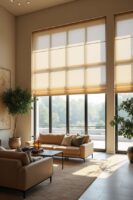
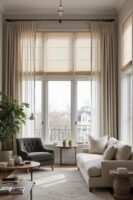
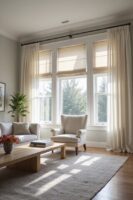
When we think about how to beautify our living spaces, layered window treatments stand out as a transformative choice. By incorporating layered textures, we can create architectural depth that enhances any room’s design.
Visual Depth
Layering different materials, like sheer and heavy fabrics, produces a multi-dimensional look. This polished appearance is far superior to single-layer treatments.
Color and Pattern Complexity
Mixing contrasting colors and patterns enriches our aesthetic experience. Different fabric weaves and sheens add texture, providing richness and tactile interest in our designs.
Flexibility in Style
Layered treatments accommodate various styles, blending traditional and contemporary looks. This adaptability allows us to reflect our personal tastes while maintaining a cohesive room design. Moreover, effective light management through sheer and blackout combinations enhances both functionality and comfort in our living spaces.
Improved Light Control and Privacy

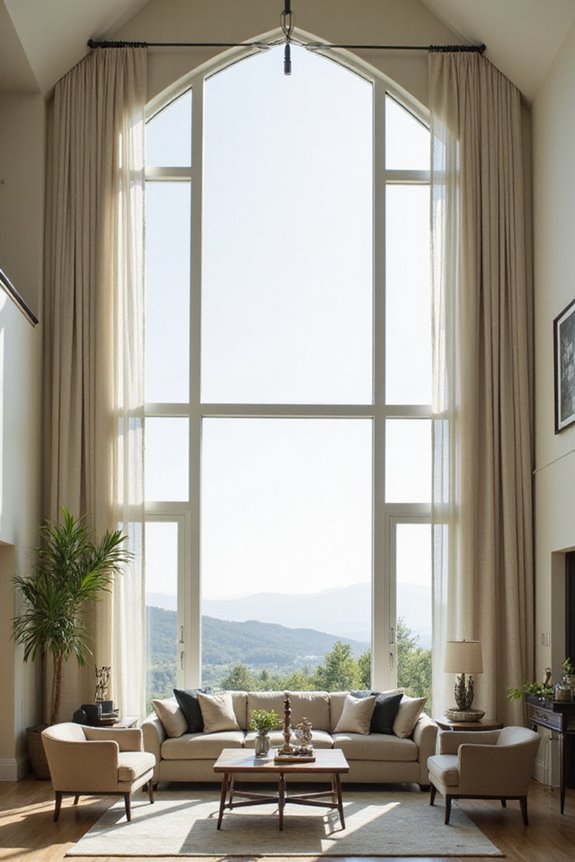
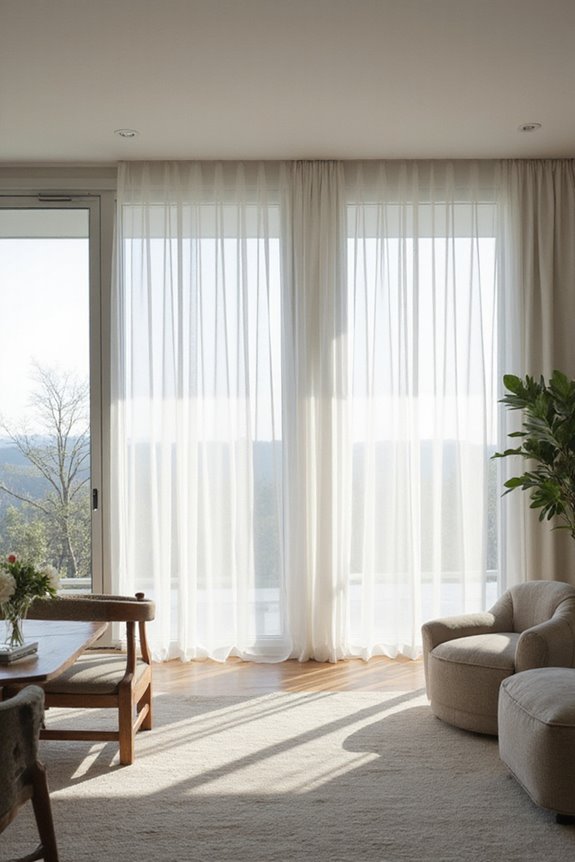
Layered window treatments offer a practical solution for managing light and privacy in our homes. With light layering, we can fine-tune how much sunlight enters each room. By combining sheer and opaque fabrics, we adjust from full light blockage to soft, filtered daylight, minimizing glare on screens while keeping a natural glow.
Privacy filtering is another significant advantage. During the day, sheer layers block clear views from outside, while heavier drapes provide complete privacy at night. This adaptability allows us to dynamically change privacy levels without sacrificing natural light. Layered treatments also add aesthetic value to any space, making them suitable for living rooms, bedrooms, or bathrooms. Fundamentally, they beautifully balance light control and privacy. Additionally, using light filtering designs can enhance the overall thermal performance of your home.
Increased Energy Efficiency and Insulation

In exploring the advantages of layered window treatments, one can’t overlook their considerable role in improving energy efficiency and insulation. These treatments help reduce heat loss during winter considerably by adding thermal barriers. By combining elements like insulated curtains and cellular shades, we can limit warm indoor air from escaping through glass, enhancing insulation performance.
In the summer, layered treatments block and reflect solar heat gain, which reduces our need for air conditioning. For instance, layering solar shades with drapes may lower heat from sunlight by up to 30%. With higher R-values than single treatments, layered options greatly minimize energy consumption. Overall, these window treatments help us save on energy bills while making our homes more comfortable and efficient. Additionally, incorporating 1920s treatments with modern designs can further enhance both aesthetics and functionality in your home.
Greater Longevity and Durability

While many may focus on the immediate aesthetic appeal of window treatments, their longevity and durability are essential benefits we should consider. Layering techniques provide multiple fabric layers that shield underlying materials from direct sunlight, slowing fading and degradation. Here are some key points regarding durability:
- Material Selection: Thicker, heavy-duty fabrics often last longer than single, thin treatments.
- Enhanced Support: Layering reinforces construction, distributing mechanical stress, which prolongs the lifespan of cords and rollers.
- Eco-Friendly Options: Layers allow easier seasonal swaps, rejuvenating styles without a full replacement.
- Maintenance: Damage to one layer can often be repaired independently, simplifying upkeep. Additionally, incorporating energy-efficient designs can further enhance the durability and functionality of layered window treatments.
Versatile Functionality for All Seasons

When considering window treatments, we can appreciate their versatile functionality across all seasons. Layered window treatments offer unique benefits, allowing for seasonal adjustments that enhance comfort and efficiency.
Improved Light Control
By combining sheers, shades, and drapes, we can control natural light precisely. Sheers diffuse bright sunlight while heavier layers provide darkness when needed.
Enhanced Seasonal Insulation
In winter, the extra fabric layers can help retain warmth, potentially reducing heating costs by up to 30%. In summer, heavier layers can block solar heat gain, keeping our interiors cooler. Blackout and thermal curtains significantly enhance energy conservation.
Multi-Level Privacy Control
We can select translucent layers for daytime privacy, while opaque layers offer complete coverage at night. This adaptability enhances our living spaces year-round, making them functional and comfortable.
Customization and Style Flexibility
Layered window treatments not only provide functionality but also offer remarkable customization and style flexibility. We can express our personal style through an extensive range of materials and textures. From soft fabrics to sleek metals, the options are vast.
- Mixing different styles, like blinds with drapes, allows us to create our unique aesthetic vision.
- Flexible color combinations help us harmonize or contrast with our interior palettes.
- Layering adds depth and dimension, enhancing the visual experience within our spaces. Additionally, effective window treatments can significantly reduce energy costs over time, making them a practical choice for any home.
Combining Different Treatment Types
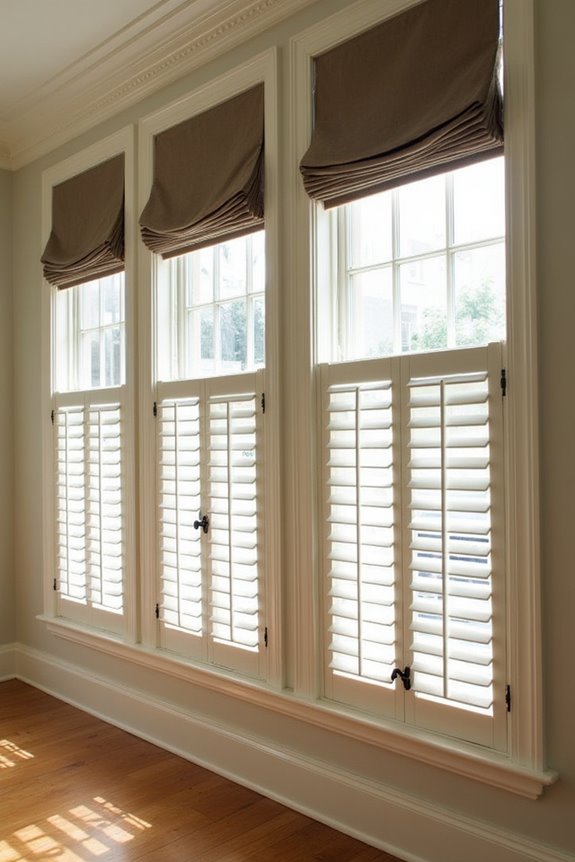
Combining different types of window treatments allows us to enhance both functionality and aesthetics in our spaces. For example, pairing sheer curtains with blackout shades gives us flexible control over light and privacy. Adding wool drapes over blinds not only softens the look but also improves insulation, perfect for energy efficiency.
Using eco-friendly fabrics in these combinations supports sustainability while still achieving our design goals. We can also layer textures; for instance, mixing smooth roller shades with patterned drapes creates visual interest and depth. By thoughtfully combining treatments, we can adapt to various needs, from maintaining a cozy atmosphere in bedrooms to ensuring privacy in living areas, all while reflecting our personal style.
Optimal Solutions for Every Room
Finding the right window treatments for each room can greatly enhance both functionality and style. We can achieve ideal solutions through room specific adaptations and thoughtful material selections.
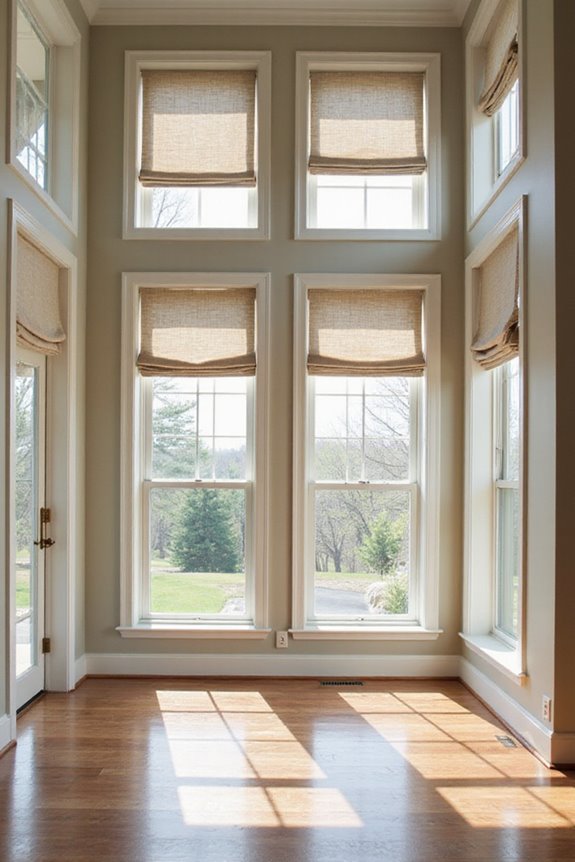
In living rooms, layered treatments can balance natural light and UV protection, preserving furniture while creating a welcoming atmosphere. For bedrooms, we should prioritize blackout options that guarantee privacy and sound dampening for quality rest.
Dining areas and kitchens benefit from lighter, sheer layers that provide daytime privacy while allowing sunlight to brighten the space.
Ultimately, using custom combinations allows us to create versatile spaces. With layered window treatments, we can tailor aesthetics and performance to meet the unique needs of each room in our homes, improving both comfort and design.
Investment in Quality and Value
When we explore the benefits of investing in quality window treatments, it’s clear that the financial implications go beyond just the initial costs. Layered window treatments, while priced between $100 and over $1,000 per window, represent a long-term investment in our homes.
They not only improve energy efficiency, potentially reducing heating and cooling costs by 15–20%, but also enhance curb appeal. Professional installation guarantees functionality and supports value retention. Although the upfront costs can be higher, the quality of custom solutions can lead to a greater return on investment when it’s time to sell.
In the long run, choosing durable, well-designed products can minimize maintenance costs, maximizing the home’s overall value.
Opportunity for Creating Focal Points
Because layered window treatments offer more than just functionality, they can greatly enhance the visual appeal of a room by creating striking focal points. By using various textures and materials, like smooth roller shades paired with textured drapes, we introduce depth and interest near our windows.
Layering also allows us to use bold colors or patterns in secondary treatments, contrasting beautifully with more neutral layers. This creates a mesmerizing visual interest that draws the eye. For instance, a patterned curtain can stand out against a solid blind, emphasizing the window’s role as a centerpiece. Proper placement can even frame the window, reinforcing its status as a dominant feature within the overall room design.
Tailoring Treatments to Personal Needs
To effectively address our unique needs, we can customize layered window treatments for various functions and preferences. This customization allows us to contemplate personal preference alongside practical application.
- Functionality: We can choose a primary layer, such as sheer shades for diffusing light, paired with blackout curtains for bedrooms.
- Material Selection: Selecting moisture-resistant fabrics in humid areas guarantees longevity and ease of maintenance.
- Light Control: Layering sheer and opaque materials lets us adjust privacy levels throughout the day.
- Aesthetic Choices: Mixing colors, patterns, and textures helps align treatments with existing décor.
Frequently Asked Questions
How Do I Clean Layered Window Treatments Effectively?
Think of our layered window treatments as delicate gardens. We can keep them thriving with proper cleaning techniques, like gentle dusting and spot cleaning using mild solutions. Regular maintenance tips help preserve their beauty and longevity.
Can I Install Layered Treatments Myself, or Hire a Professional?
We can definitely install layered treatments ourselves with some installation tips, but hiring a pro saves time and guarantees quality. Keep in mind the professional costs, as they often bring valuable expertise and peace of mind.
What Are the Best Fabrics for Layered Window Treatments?
When we choose the best fabrics for layered window treatments, we love combining sheer fabrics for light filtering with luxurious textures like velvet or brocade, offering a perfect balance of style, warmth, and functionality in our spaces.
Are Layered Treatments Suitable for Small Windows?
Absolutely, layered treatments suit small windows perfectly! With thoughtful layered considerations, we can blend styles, keep spaces airy, and create stunning looks. Let’s embrace those small window styles while maximizing light and elegance together!
How Do I Choose Colors for Layered Treatments?
To choose colors for layered treatments, we consider color psychology and design principles. We aim for harmony with existing decor while balancing light and mood, ensuring our choices reflect our space’s intent and ambiance.