As an Amazon Associate, we earn from qualifying purchases. Some links may be affiliate links at no extra cost to you. Although our opinions are based on curated research, we haven't used these products. Articles generated with AI.


How To Fix Broken Window Blind Slats?

To fix broken window blind slats, we first need to identify any damaged slats through a visual inspection. Next, we can carefully remove these slats by releasing them from the bottom rail. For minor bends, we can often straighten them using gentle pressure or a hairdryer. If a slat is beyond repair, replacing it with a matched color option is best. By following these steps, we’ll guarantee the functionality of our blinds, and there’s more to learn about ongoing maintenance tips.
Key Takeaways
- Inspect slats for cracks, chips, or warping and remove any damaged slats using a screwdriver to access the bottom rail.
- Gently reshape bent slats using finger pressure or gentle heat from a hairdryer for effective bending.
- Measure and match the dimensions and color of replacement slats to ensure uniformity and compatibility.
- Adjust or replace lift cords if frayed, and secure with cord stops for smoother operation of the blinds.
- Clean and maintain blinds regularly to prevent future damage and ensure longevity of repairs.
Identifying Broken Slats
You may be interested


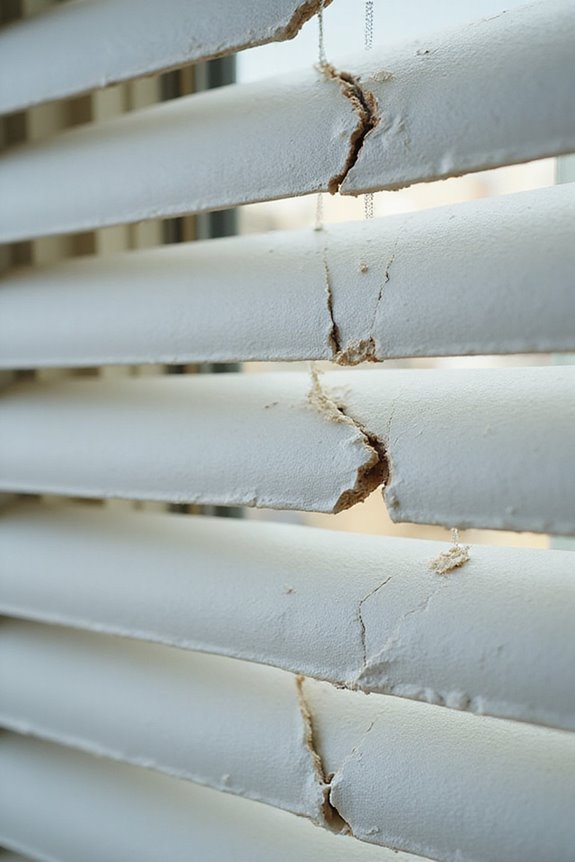
Broken window blind slats can disrupt both the appearance and functionality of your blinds. To determine if your slats are damaged, we can start with a thorough visual inspection. Look for wear indications such as:
- Visible cracks, chips, or splits: These flaws can compromise the slats’ integrity.
- Bending or warping: If slats don’t lie flat, they may not function properly.
- Fraying or rough edges: This suggests material breakdown over time.
- Discoloration: Yellowing or fading indicates potential sun damage.
- Detached slats: If slats have fallen out, they need immediate attention. Additionally, energy efficiency features can be affected by broken slats, as they may fail to block heat or cold effectively.
Removing Damaged Slats

When we notice damage in our window blind slats, it’s essential to know how to remove them properly. First, we’ll need a flathead screwdriver, scissors, and replacement slats. Let’s make certain the blinds are fully extended or lowered for better access.
- Remove Bottom Rail Plugs: Using the screwdriver, gently pry out the plugs at the bottom rail and untie the lift cords.
- Release and Slide Slats: Pull the lift cords to release the damaged slat. For horizontal blinds, slide the slats out carefully. For vertical blinds, rotate and unclip.
- Handle Cord Management: Keep lift cords untangled to ease re-threading later. Replace cords securely in the bottom rail after slat removal.
These steps guarantee effective and organized slat removal. Additionally, ensuring proper light-blocking options can enhance your window treatment’s overall functionality.
Straightening Minor Bends

Although we may not always notice, minor bends in window blind slats can impact their overall appearance and functionality. To address this, we can use effective bending techniques, taking material considerations into account.
Manual Straightening
We can apply gentle finger pressure to bends, pinching them back into shape. For end bends, we pinch and smooth along the slat’s length. For middle bends, we press one finger on top and another below, gliding to correct alignment.
Heat Methods
Gentle heat, like using a hairdryer, can soften slats for reshaping. Alternatively, we can briefly submerge slats in warm water, then reshape while warm.
Tools for Straightening
We can lay blinds flat and use a straightedge for accurate bending; if needed, gentle pliers help apply pressure without damage. Additionally, it’s important to consider the material durability of the slats, as different materials may respond differently to heat and bending techniques.

【Durable and Strong】: These white vertical blind repair vane savers are made of high-quality metal, durable and strong. Strong gripping force can effectively repair the top broken vertical blind slats and will not lose its effect due to temperature.

✔ Best Value Package – There are 25 Sets(50 Pieces)1.18inch*1.18inch vertical blind repair tabs in the package. So you have a sufficient number of verticle blinds snap-in replacement to fix all the vertical blinds in your home.

✔️ 60 Pieces - There are 60 Pieces 1.18inch*1.18inch Vertical Blind Repair Tabs in the package. So you have a sufficient number of Verticle Blinds Snap in Replacement to fix all the Vertical blinds in your home.
Replacing Broken Slats

Replacing broken slats on window blinds may seem challenging, but it’s a straightforward process that we can tackle with ease. First, we need to measure the width, length, and thickness of the broken slats accurately. This guarantees the replacement slat materials we order will fit perfectly. It’s important to match the slat color exactly to maintain a uniform appearance.
When selecting replacement slats, consider materials like wood or faux wood, guaranteeing consistency in durability and function. Energy efficiency features are also a crucial consideration, as they can enhance the overall functionality of your window blinds. We’ll also need to remove the damaged slats by unhooking them from the headrail or track. Once the new slats arrive, we’ll insert them into place, reattach any necessary clips, and test the mechanism for smooth operation.

𝗤𝘂𝗶𝗰𝗸 𝗺𝗮𝗴𝗻𝗲𝘁𝗶𝗰 𝗶𝗻𝘀𝘁𝗮𝗹𝗹𝗮𝘁𝗶𝗼𝗻: Upgrade your windows with our QuickInsta MagMount system. No Tools, No Drilling, and no screws—just snap into place for instant privacy without the damage.

Warning: Please kindly check the size in the picture and make sure it can match your device before order.
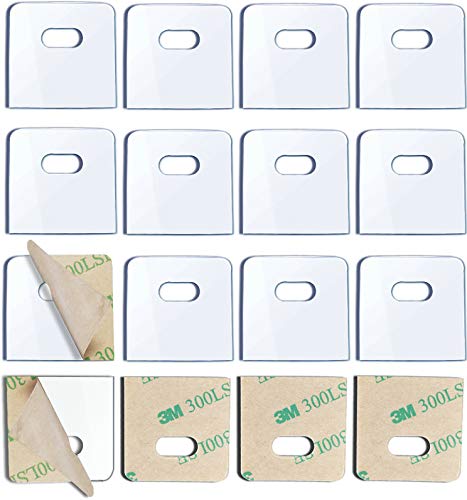
►【 Best Value Package 】-- A plastic bag contains 16 sets (total 32pieces)transparent vertical blind repair tabs. Before using the tab, you can clean the broken place of the blinds , increase the adhesive force, and permanently repaired them.
Repairing the Tilt Mechanism

Fixing a broken tilt mechanism is essential for restoring the functionality of your window blinds, allowing for smooth adjustment of the slats. First, we need to determine if the tilt mechanism is truly malfunctioning. If the wand turns without moving the slats, it’s a clear sign.
Next, carefully remove the blinds to access the headrail on a flat surface. Detach the wand and remove any end caps securing the headrail. Once we disengage the tilt rod and remove the broken mechanism, it’s time to measure for replacement parts. Ensure the new tilt mechanism fits properly in the headrail and allows for correct slat alignment. Additionally, consider that light filtering needs can also impact your choice of window treatments when reinstalling blinds. Finally, reassemble the components and confirm the mechanism works smoothly.
Ensuring Proper Slat Movement
Inspect and Clean Slats
Regularly check for dust and debris on slats that can hinder movement. Use a soft cloth to gently clean slats and string ladders, avoiding harsh chemicals that can damage materials.
Check Slat Alignment****
Make sure slats are evenly spaced and parallel to allow smooth tilt. Verify that string ladders fit correctly into slat hooks for maximum movement.
Implement Slat Lubrication
If necessary, apply a small amount of silicone spray to moving components to enhance slat motion. This guarantees slats function smoothly and efficiently throughout their operation. Additionally, proper installation of your window treatments can further ensure longevity and optimal performance.
Troubleshooting Common Issues
When slat movement is assured, it’s important to address common issues that might still arise with window blinds. Regular blind maintenance involves performing slat inspection to catch problems early.
Tangled or Stuck Lift Cords
We should gently locate and untangle cords, avoiding aggressive pulling that could damage them. Installing a wall-mounted cord cleat can help keep them neat.
Tilt Mechanisms
Dust can build up in tilt mechanisms, preventing proper movement. We need to clear any debris and apply silicone lubricant on tilt rods for smoother operation.
Damaged Slats
If slats are damaged, we can create new holes using a hole punch or consider replacements for extensive issues. Regular checks assure we address damages before they worsen.
Maintenance Tips for Longevity
To guarantee our window blinds remain in excellent condition for years, we should adopt a consistent maintenance routine. Here are some effective maintenance tips:
Regular Cleaning Techniques
- Use a microfiber cloth or feather duster to gently wipe dust from top slats downwards.
- For closed blinds, the vacuum cleaner’s brush attachment can effectively remove embedded dust.
- For fabric blinds, spot-clean stains promptly with mild detergent.
Moisture Management
- Keep wooden blinds away from high humidity areas like kitchens and bathrooms to prevent warping.
- Ascertain good ventilation and consider using dehumidifiers in damp conditions.
- Always clean with slightly damp cloths instead of soaking the blinds, especially for wood and fabric types.
Recommended Tools and Materials
Having the right tools and materials can make repairing broken window blind slats a straightforward task. Our tool selection includes essential hand tools such as:
- Screwdrivers (flat-head and Phillips) for handling screws.
- Needle nose pliers for precision adjustments.
- Utility knife for cutting cords or trimming components.
When it comes to material types, we should gather items like:
- Replacement slats made from wood, aluminum, or polyester.
- Blind repair tabs for minor slat breaks.
- Cord stops and pulls to adjust lift cords effectively.
Having these items on hand will streamline the repair process and guarantee that our blinds work properly once again. By preparing adequately, we can achieve efficient and durable repairs.

Best Value Package: A plastic storage box contains (30 sets/60pieces) vertical blind repair tabs, and two alcohol wipes.You can clean the blinds with an alcohol wipe to increase the adhesive force, and permanently repair

✔ Easy To Install: Vertical blind repair tabs are extremely easy to use. Thoroughly clean the damaged area to remove any dust or debris to ensure strong grip by the adhesive. Remove adhesive backing and add a tab on both sides of the broken blind slats to make a sturdy lasting repair, easy to operate in seconds

Warning: You'd better disassemble the existing wand tilter in your blinds and make it compare with the Size and HEXAGON Shape of our tilters. NOT compatible with non-hexagonal gear holes.
Frequently Asked Questions
Can I Wash or Clean My Window Blinds After Repair?
We can clean our window blinds after a repair, but let’s use gentle cleaning techniques and avoid washing methods that may disrupt the repairs. It’s best to wait at least 24-48 hours before deep cleaning.
How Often Should I Inspect My Blinds for Damage?
We should inspect our blinds every 2–3 months as part of our maintenance schedule. Let’s remember these inspection tips: check for damage, wear, and guarantee cords function properly, helping maintain their integrity over time.
What Type of Blinds Are Easiest to Repair?
We think vertical blinds are the easiest to repair, thanks to their replaceable slats. Faux wood blinds are also manageable, but slat replacement can be more complex. Let’s keep our windows looking great with simple repairs!
Are Replacement Slats Available in All Colors?
Replacement slats aren’t available in every color, but we’ll find extensive color options. Slat color availability varies by material and supplier, so we can choose the perfect match for our window treatments together!
How Can I Prevent Slats From Breaking in the Future?
To keep our slats sturdy, we should embrace proper handling and choose durable materials. Just like a well-tended garden flourishes, our blinds thrive with gentle use and smart selections, ensuring they withstand the test of time.